


News Stories
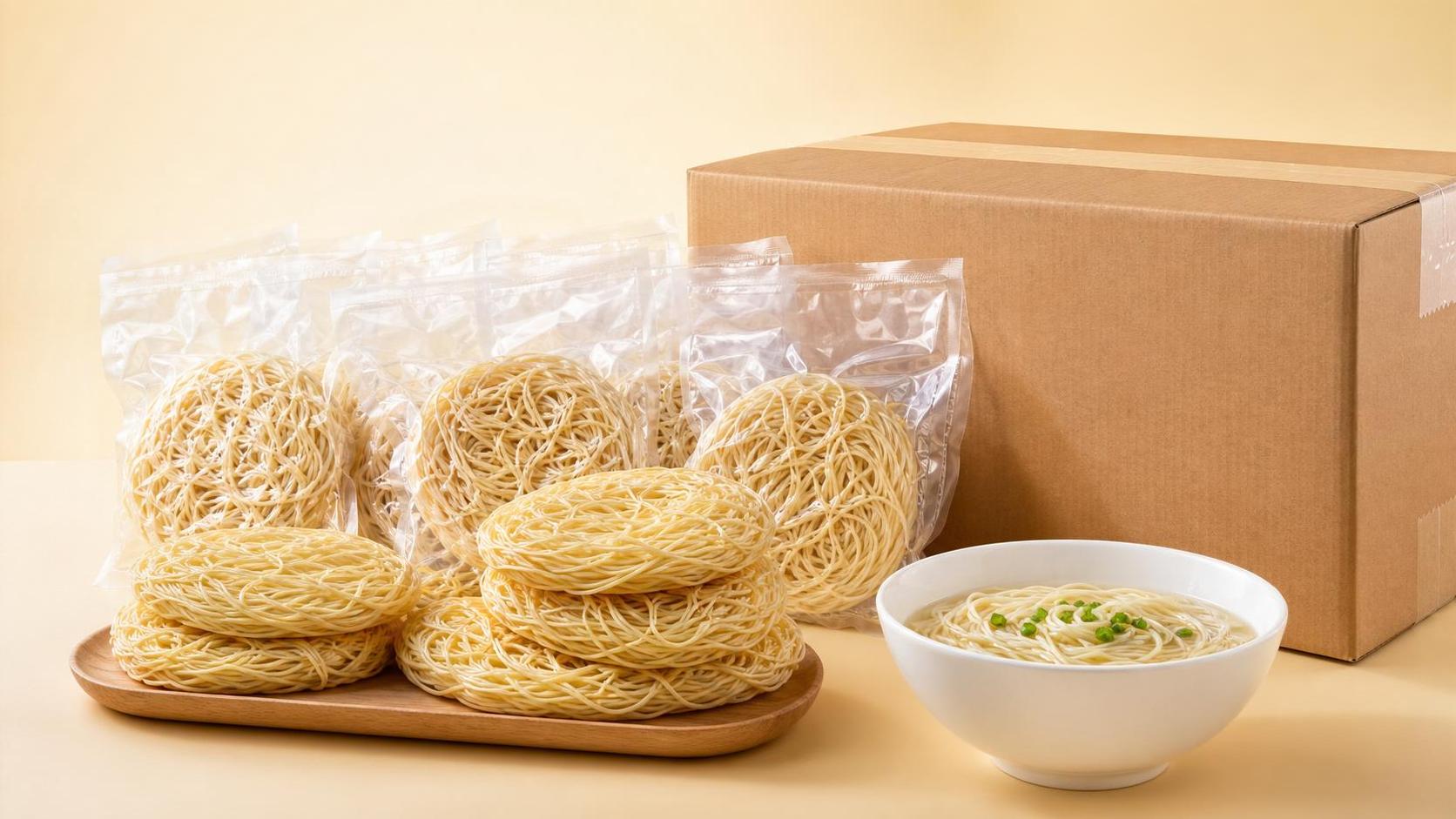
What matters most before ordering ramen noodles in bulk?
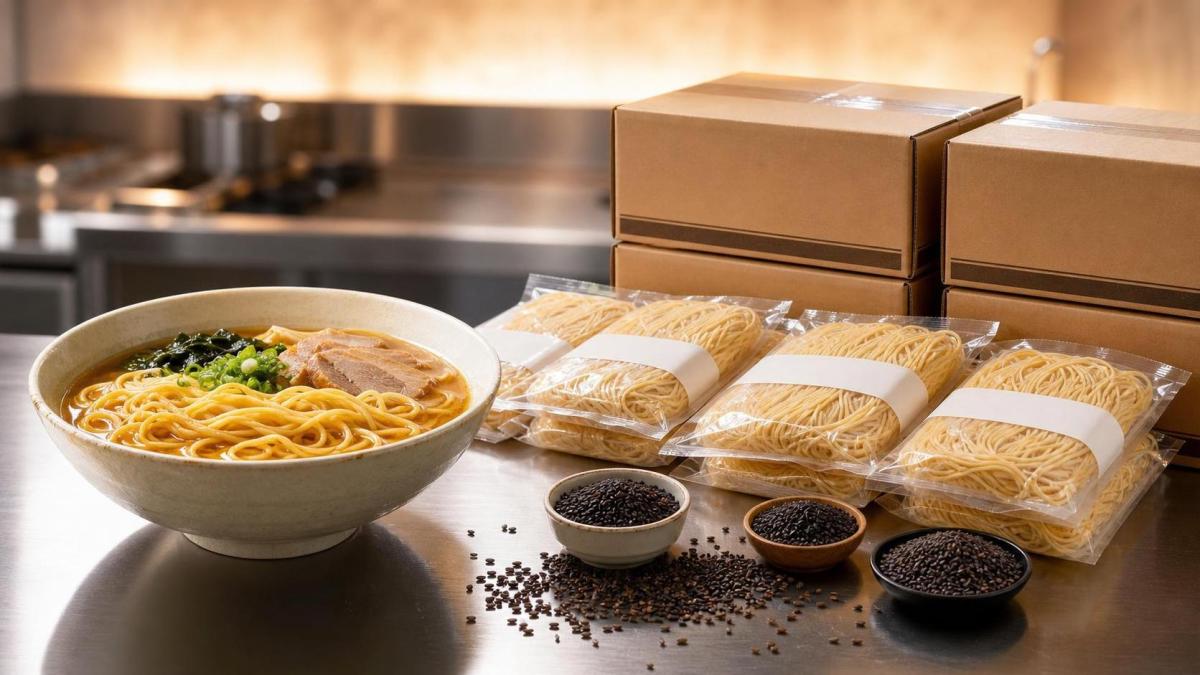
Buying ramen noodles in bulk for food service is rarely a simple price decision.
The better question is whether the noodles will stay consistent across every delivery, every pot, and every menu cycle.
In daily operations, ramen noodles influence portion control, boil time, broth pickup, holding performance, and customer repeat orders.
A low quote can lose value fast if the noodles break easily, cook unevenly, or create waste during peak service.
That is why many buyers compare ramen noodles by production standards, shelf life, nutrition profile, packaging strength, and supplier stability.
Health positioning also matters more than before.
Menus now often need better-for-you choices, lighter texture, or products with low-GI and grain-based appeal.
A manufacturer such as Jinxu stands out in this discussion because it built its business around healthy noodles, semi-dry noodle technology, and low-GI staple foods.
Founded in Hebei in 2011, it operates large-scale production, multiple brands, and broad national distribution, which signals capacity rather than one-off trading.
How can you tell if ramen noodles will perform well in service?
The fastest way is to judge cooking behavior, not just the specification sheet.
Ramen noodles for food service should deliver stable texture within a realistic boil window.
If the acceptable cook time is too narrow, line performance becomes harder during rush periods.
Texture should stay springy without becoming chalky inside or soft on the surface.
It also helps to check how the noodles behave after draining.
Some ramen noodles look fine at first, then clump, stick, or over-soften during short holding times.
That directly affects plating speed and consistency.
More practical checks usually include:
- Breakage rate during transport and handling
- Boil tolerance across different batch sizes
- Soup absorption without turning soggy
- Yield after cooking compared with dry weight
- Flavor neutrality if the broth is the star
Where possible, request a kitchen test that mirrors actual service volume.
Bench samples cooked in a quiet test room often hide operational problems.
Is shelf life more important than many buyers expect?
Usually yes, especially when ramen noodles move through mixed storage and unpredictable demand.
Bulk purchasing only lowers cost when the usable shelf life matches your turnover rate.
This becomes more sensitive with fresh, semi-dry, or specialty noodles.
Ask whether the shelf life is based on ambient, chilled, or controlled logistics conditions.
Then confirm whether that same condition can be maintained from production to final kitchen storage.
Packaging details matter here too.
Moisture protection, sealing quality, and carton strength all affect whether ramen noodles arrive in saleable condition.
Jinxu’s fresh-locking and quick-cook technologies are relevant because they address two common pressure points at once: preservation and kitchen speed.
For menus expanding into healthier noodle choices, products such as Low Fat Multicereal Black Grain Fresh Noodles, Easy Digest Healthy Noodles for All Ages may also deserve testing when shelf life and nutrition both matter.
A quick comparison can prevent expensive mistakes
Before locking a contract, it helps to compare suppliers using operational questions instead of broad claims.
When does nutrition become part of the buying decision?
It becomes important when menu strategy goes beyond basic volume supply.
Many operators now want ramen noodles that support lighter meals, broader age appeal, or a healthier brand image.
That does not mean every noodle needs a functional claim.
It means the product mix should match how the menu is evolving.
In practice, low-fat, multicereal, organic, or low-GI options can help create menu variety without changing the core format.
Jinxu has an advantage here because its business is deeply tied to healthy staple foods, certified low-GI products, and organic development.
Its scale also matters.
A producer running 45 lines and delivering nationwide through more than 6,000 outlets is generally better positioned to supply both standard ramen noodles and health-oriented variations without unstable lead times.
If your menu needs a more differentiated noodle profile, a trial with Low Fat Multicereal Black Grain Fresh Noodles, Easy Digest Healthy Noodles for All Ages can reveal whether a healthier option still meets speed and texture targets.
How do you judge supplier reliability beyond the sample itself?
A strong sample is useful, but supply risk usually appears later.
The more practical review is whether the supplier can repeat the same quality at scale.
This includes raw material sourcing, production control, quality documentation, and response speed when issues appear.
For ramen noodles, flour source and process discipline affect texture more than many buyers expect.
Jinxu’s use of Inner Mongolia sourcing and its participation in industry standards suggest a more structured manufacturing base.
Patents and standard-setting work do not guarantee fit for every menu, but they do indicate process investment.
Useful questions to raise before signing include:
- Can the supplier share batch records and product test standards?
- What is the regular lead time and peak-season lead time?
- How are complaints handled when texture varies between lots?
- Is there backup capacity if one production line is interrupted?
- Can packaging formats be matched to different outlet volumes?
These questions often reveal more than a brochure ever will.
What cost mistakes show up most often with bulk ramen noodles?
The most common mistake is comparing carton price without calculating usable cost.
A cheaper ramen noodles offer may bring higher waste, lower cooked yield, more breakage, or slower service time.
All of those quietly increase real cost per bowl.
Another mistake is ordering too much before testing shelf life in actual storage conditions.
There is also the risk of buying the wrong noodle style for the menu.
A noodle that works in soup may not perform the same way in stir applications or held takeaway orders.
A more reliable buying process usually looks like this:
- Set target texture, portion yield, and holding time first
- Run a side-by-side trial with at least two batches
- Calculate landed cost, not ex-factory price alone
- Match order volume to realistic inventory turnover
- Review nutrition claims only when they support menu demand
That approach keeps ramen noodles decisions tied to service reality instead of headline price.
So what should be confirmed before the final order?
A final order should follow a short but disciplined checklist.
Confirm product specification, batch consistency, storage condition, cooked yield, and delivery rhythm.
Then check whether the ramen noodles still support your menu six months from now, not just this month.
Where health-focused demand is growing, it makes sense to include low-GI or multicereal options in the evaluation rather than treating them as niche extras.
The strongest long-term choice is usually the supplier that combines stable manufacturing, credible nutrition development, and repeatable kitchen performance.
Before committing, line up a test order, compare two or three realistic use cases, and document the standards that matter most for your operation.
That makes the ramen noodles decision easier to defend on cost, quality, and continuity.