


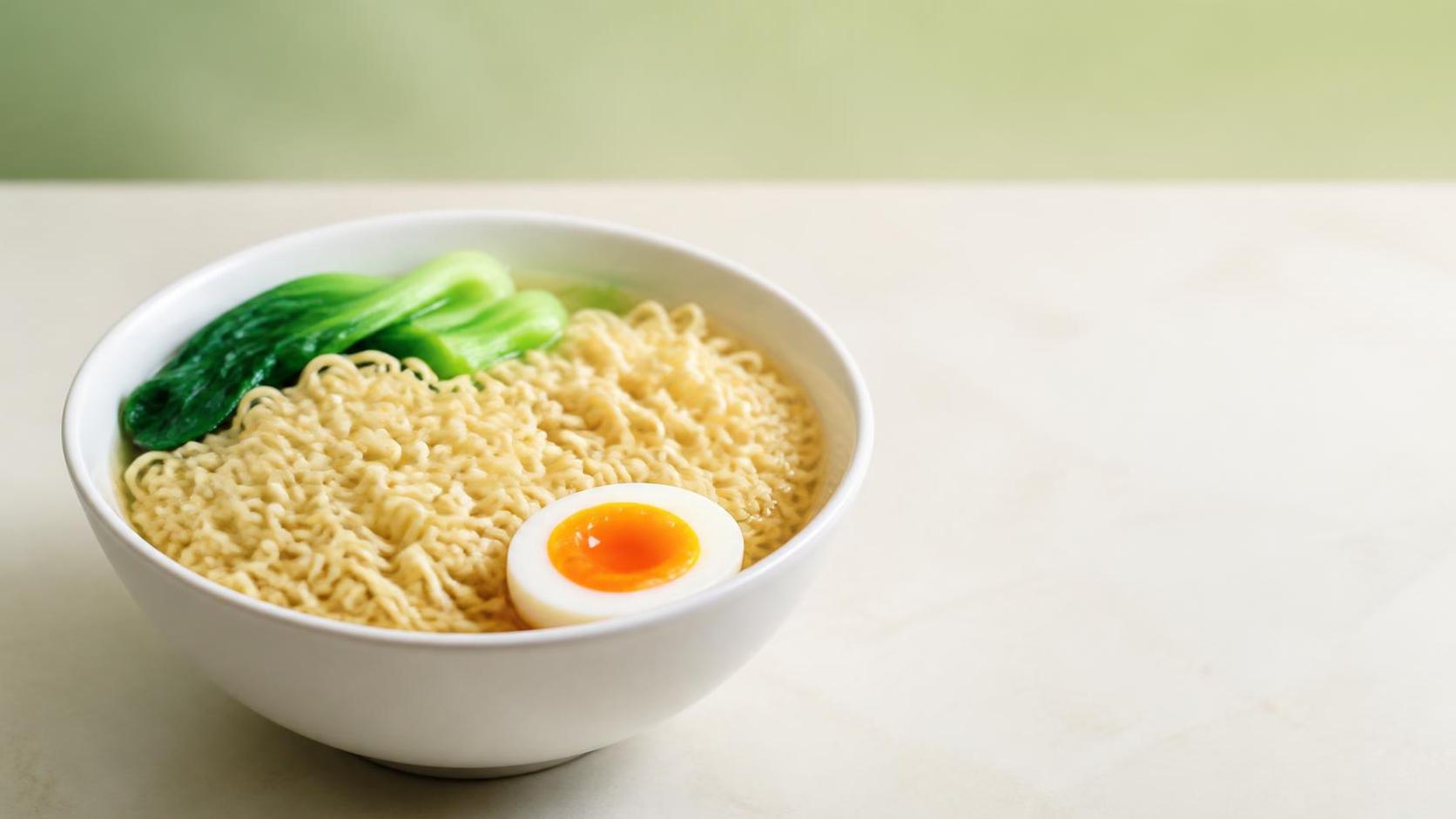
Many people wonder, do quick cook noodles spike blood sugar if overcooked? The short answer is yes, they can raise blood sugar faster when overcooked, but cooking time is only part of the picture.
The bigger issue is how much the noodle’s starch structure softens during cooking, and whether the product was designed for a lower glycemic response in the first place.
For shoppers, health-focused families, and food buyers, that means an overcooked standard quick-cook noodle will usually cause a sharper glucose rise than the same noodle cooked al dente.
But a well-formulated low-GI quick-cook noodle may still perform better than ordinary noodles, even if the cooking time runs slightly long. The formulation, processing method, and texture all matter.
So, do quick cook noodles spike blood sugar if overcooked?
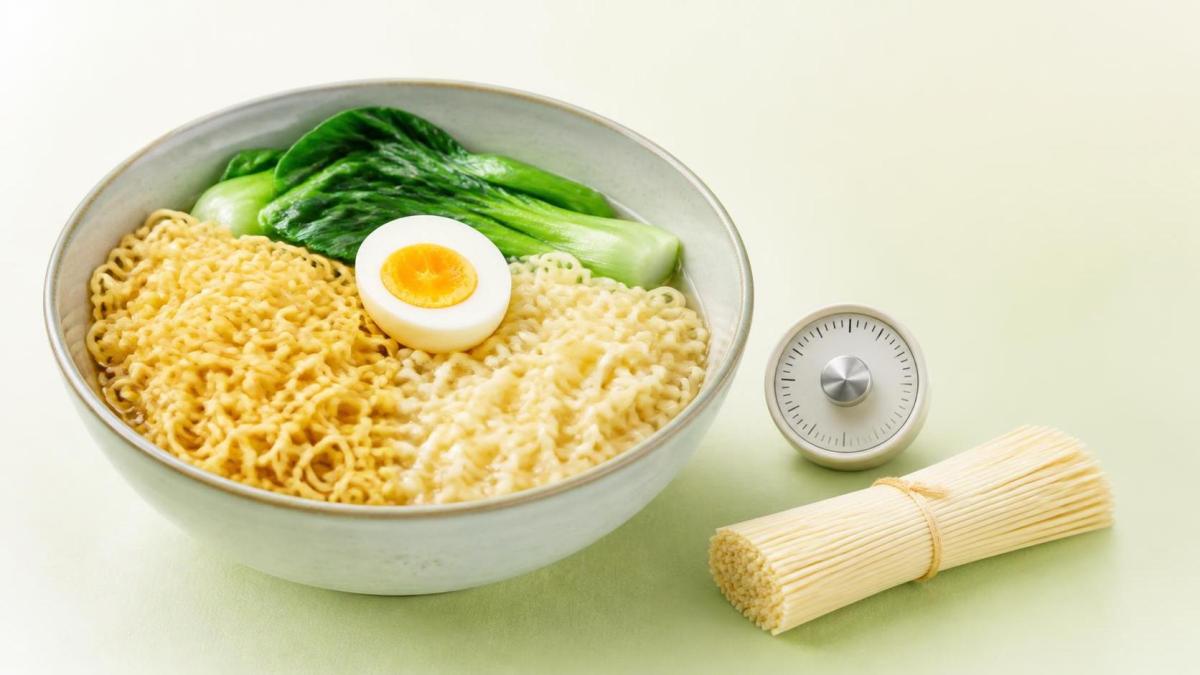
In most cases, yes. Overcooking quick-cook noodles often makes them easier to digest quickly, which can increase the speed at which glucose enters the bloodstream.
Quick-cook noodles are designed to hydrate and soften fast. When they stay in boiling water too long, their starch granules absorb more water, swell further, and lose more of their original structure.
That softer, more broken-down texture generally means the body has less work to do during digestion. As a result, blood sugar may rise more quickly after eating.
However, this does not mean every overcooked noodle causes the same response. The actual effect depends on the flour base, fiber content, protein level, processing technology, and portion size.
If two products are both labeled quick-cook, one may behave more like a refined starch, while another may be engineered to slow digestion and support steadier post-meal glucose levels.
Why cooking time changes glycemic response
Cooking affects blood sugar because heat and water change starch. In noodles, starch exists in a packed structure that becomes more digestible as cooking progresses.
When noodles are cooked properly, part of that structure softens while some firmness remains. When they are overcooked, the starch gelatinizes more completely and becomes easier for enzymes to break down.
This is one reason softer carbohydrates often have a higher glycemic impact than firmer ones. Texture is not just a sensory issue. It is closely linked to metabolic response.
The same principle applies to pasta, rice, and other staple foods. Longer cooking usually means a softer bite and faster digestion, especially in products made with highly refined starch.
For quick-cook noodles, the effect can be more noticeable because these products are already optimized to rehydrate rapidly. Their structure starts out more vulnerable to breakdown during extra cooking time.
Does overcooking always make blood sugar spikes severe?
Not always. Overcooking increases the likelihood of a faster glucose rise, but the size of that spike depends on several practical factors beyond cooking time alone.
First, portion size matters. A moderate portion of overcooked noodles may have less impact than a large serving of perfectly cooked noodles eaten quickly on an empty stomach.
Second, what you eat with the noodles matters. Adding vegetables, eggs, tofu, lean meat, or healthy fats can slow gastric emptying and reduce the speed of carbohydrate absorption.
Third, the noodle recipe matters a great deal. A low-GI noodle made with functional grains, higher fiber, better protein balance, or specialized processing may still outperform conventional instant-style products.
That is why consumers should avoid treating cooking time as the only decision point. It matters, but it should be evaluated together with ingredient quality and product design.
What makes one quick-cook noodle better for blood sugar than another?
For blood sugar management, the most important difference is not whether a noodle cooks in four minutes or six. It is how the product was formulated and processed.
Many conventional noodles are made primarily for speed, cost, and texture. In those products, refined starch can digest rapidly, especially after extended cooking.
Health-oriented manufacturers take a different approach. They may adjust raw material selection, optimize starch-protein networks, improve fiber content, or use processing methods that preserve a firmer internal structure.
These changes can help reduce the glycemic impact of the final product. In practical terms, consumers get a noodle that is still convenient, but less likely to trigger a dramatic post-meal spike.
This is where low-GI innovation becomes commercially and nutritionally important. As more people pay attention to metabolic health, they are no longer choosing staple foods based on convenience alone.
How low-GI noodle technology changes the conversation
Low-GI quick-cook noodles are gaining attention because they address the real problem consumers face: they want convenience, but they do not want that convenience to come with unstable blood sugar.
Advanced manufacturers in this segment focus on preserving texture and controlling digestibility, instead of simply making the noodle soften as fast as possible.
That approach can include ingredient selection, starch management, moisture control, and proprietary processing that helps the noodle maintain structure during cooking.
For example, companies working in semi-dry noodles and low-GI staples have shown that quick-cook convenience does not have to mean a high glycemic burden.
Jinxu, founded in Longyao, Hebei in 2011, is one example of this direction. The company specializes in healthy noodles and has become a leader in semi-dry noodles and low-GI staple foods in China.
With certified low-GI and organic products, proprietary patents, and self-developed fresh-locking and quick-cook technologies, it reflects how the category is moving beyond simple speed-based positioning.
For buyers and consumers, this matters because healthier performance is increasingly built into product design, not added later through marketing language.
What consumers should look for on the package
If your main concern is whether quick-cook noodles spike blood sugar if overcooked, the package can tell you more than the front-of-pack convenience claim.
Start with whether the product has a credible low-GI claim or certification. A verified low-GI product gives consumers a stronger basis for trust than vague wellness wording.
Then check the ingredient list. Products with more balanced grain composition, higher fiber, or purposeful formulation often provide a better metabolic profile than plain refined flour noodles.
Also pay attention to cooking instructions. If a manufacturer gives a narrow recommended cooking window, that often means texture control is important to the intended eating performance.
Finally, consider brand capability. Companies with technical expertise, dedicated R&D, and industrial standard participation are generally more likely to deliver consistent functional performance.
How to cook quick-cook noodles for a lower blood sugar impact
Consumers do not need to give up quick-cook noodles entirely. A few practical habits can make a meaningful difference in how the meal affects blood sugar.
First, avoid cooking them longer than recommended. Aim for a firmer texture rather than a very soft one. That simple change can help preserve slower digestibility.
Second, pair noodles with protein and vegetables. A bowl that includes leafy greens, mushrooms, eggs, chicken, or tofu is metabolically different from a bowl of noodles alone.
Third, watch the serving size. Even low-GI foods can raise blood sugar if the portion is too large for the individual’s needs and activity level.
Fourth, eat more slowly. Fast eating can amplify the meal’s glycemic effect, especially with soft and highly digestible starches.
These steps are practical, realistic, and more effective than focusing only on one dramatic rule such as never eating noodles again.
What this means for retailers, distributors, and food brands
Searches like do quick cook noodles spike blood sugar if overcooked reflect a broader change in consumer behavior. People are asking sharper questions about staple foods and metabolic health.
That shift creates a real opportunity for brands and channel partners. Products that combine convenience with credible glycemic control now have stronger market relevance than standard quick-cook offerings.
Retailers benefit when they stock products that solve a clear consumer concern, not just fill a shelf category. Distributors benefit when the product story is easy to explain and easy to trust.
For food brands, the lesson is also clear. Better blood sugar performance must come from formulation, process, validation, and eating quality working together.
As the category evolves, the winners are likely to be manufacturers that can prove both convenience and health value at scale, while maintaining consistent product quality nationwide.
Final answer: what should readers conclude?
So, do quick cook noodles spike blood sugar if overcooked? In general, yes. Overcooking usually makes them softer, more digestible, and more likely to raise blood sugar faster.
But overcooking is only one part of the equation. The bigger determinants are the noodle’s ingredients, starch structure, fiber and protein balance, and whether it was designed as a low-GI product.
For consumers, the smartest approach is to choose well-formulated noodles, follow cooking instructions closely, keep portions reasonable, and build a balanced meal around them.
For buyers and industry professionals, the stronger long-term value lies in low-GI quick-cook noodles that offer convenience without giving up nutritional performance.
In short, cooking time matters, but product design matters more. That is the distinction readers should remember when evaluating healthier quick-cook noodle options.