


News Stories
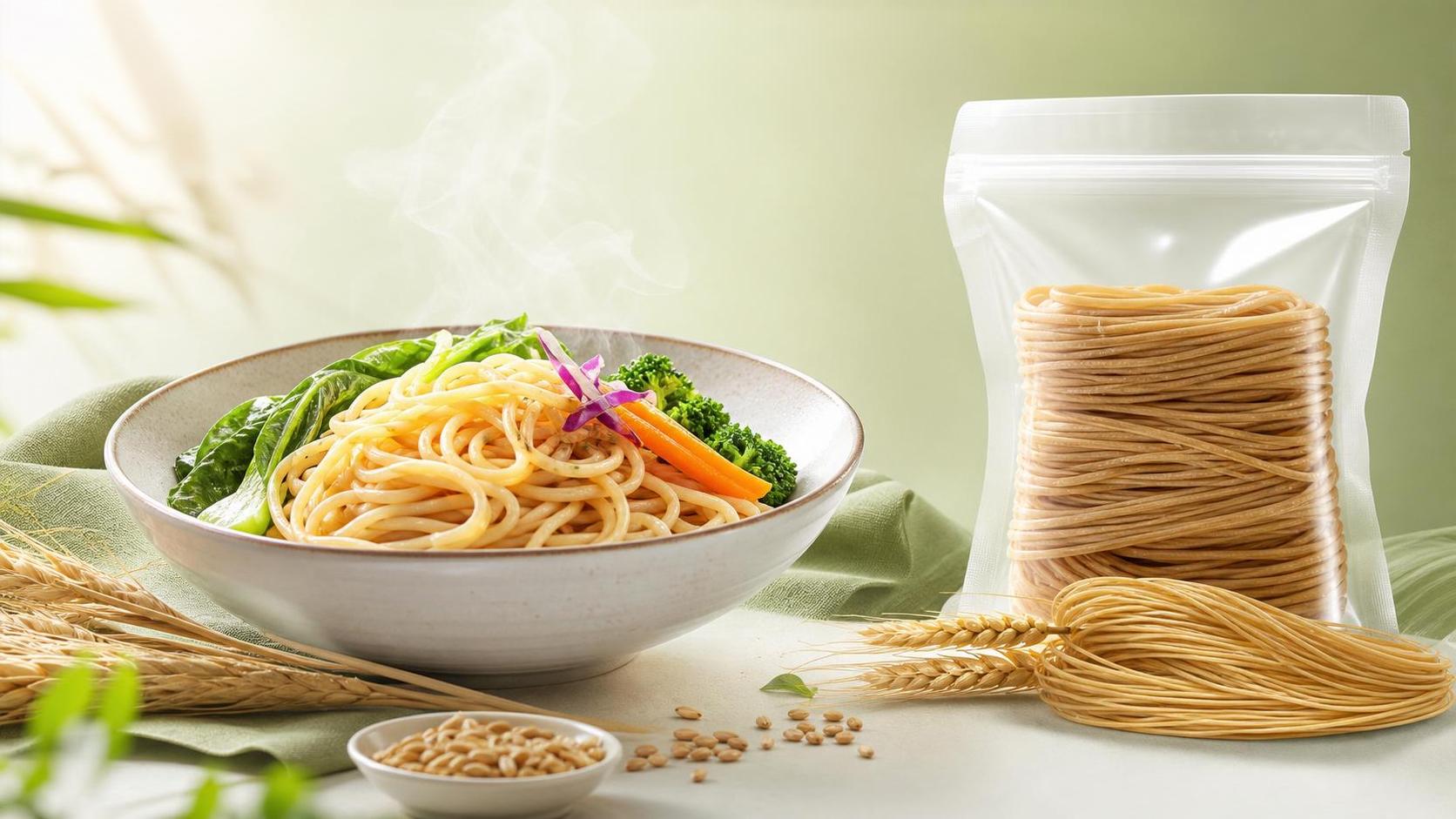
In 2026, low GI noodles are moving from niche wellness shelves into mainstream food strategy. The shift is not driven by hype alone. It reflects a sharper market focus on blood sugar control, ingredient transparency, and meal formats that fit modern routines without giving up taste or convenience.
That makes this category worth close attention. Low GI noodles now sit at the intersection of nutrition science, retail differentiation, and product innovation. For brands, distributors, and food operators, the opportunity is no longer whether demand exists, but how to interpret it and build around it.
Why low GI noodles matter more in 2026
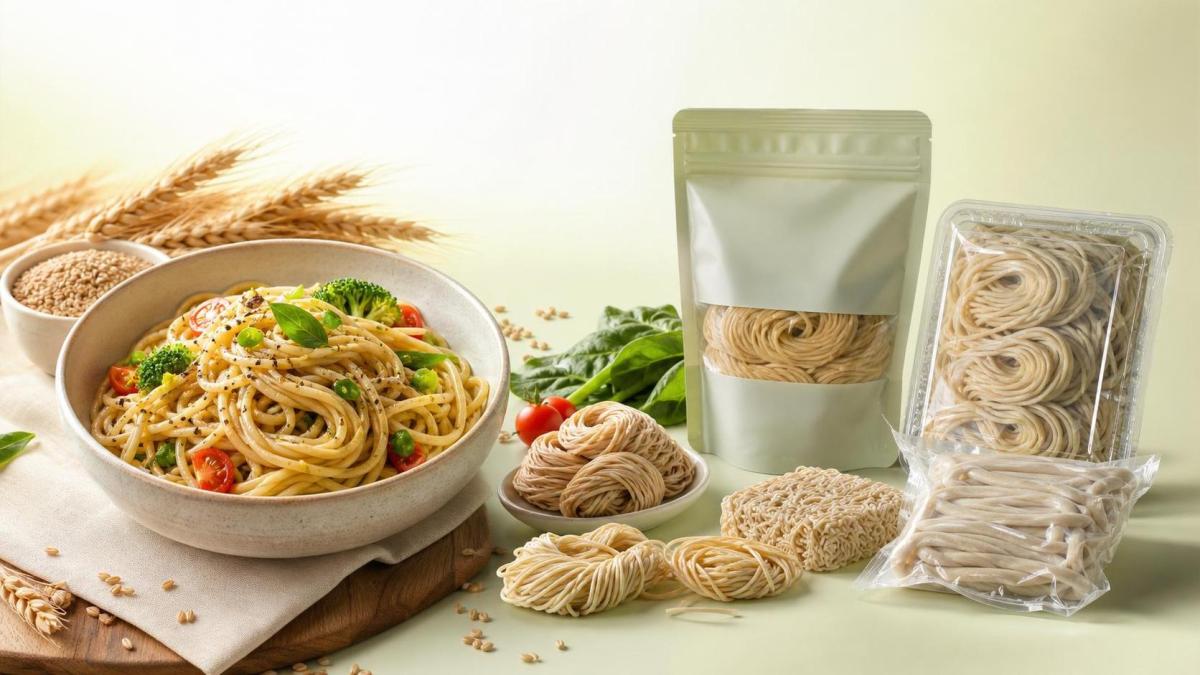
A lower glycemic index means a slower post-meal rise in blood glucose. In practical food terms, that changes how consumers judge staples. Noodles are no longer selected only for texture, price, or cooking time.
Low GI noodles answer several concerns at once. They support balanced eating, appeal to people managing sugar intake, and fit the wider move toward better-for-you everyday carbohydrates.
The category also benefits from familiar usage. Consumers already understand how noodles fit into daily meals. That lowers the education barrier compared with newer functional foods.
In 2026, demand is being shaped less by novelty and more by repeat purchase logic. People want products they can keep in regular meal rotation, not one-time health experiments.
The demand drivers behind the category
Several forces are working together, and that combination explains why low GI noodles are gaining momentum across channels.
Health awareness is becoming more specific
General interest in healthy eating is not new. What has changed is precision. Consumers increasingly look for foods linked to measurable outcomes, including steadier energy and improved glucose management.
That makes low GI claims easier to understand than vague wellness positioning. A product with credible low-GI verification carries a clearer message at shelf level and online.
Convenience still matters
Nutrition alone does not build a category. Convenience remains central. Quick-cook, fresh-locking, semi-dry, frozen wet, and ready-to-prepare formats make low GI noodles easier to adopt in busy households and foodservice settings.
This is where processing technology matters. A healthier staple must still perform well in cooking, storage, and distribution. Texture loss or complicated preparation can slow repeat sales.
Clean labels and trusted sourcing influence conversion
Ingredient credibility now shapes buying decisions more directly. Buyers increasingly compare grain sources, certifications, and production consistency before expanding a product line.
Low GI noodles with organic credentials, traceable raw materials, and standard-backed claims are in a stronger position. They reduce the risk of health messaging that feels unverified or overly promotional.
How supply-side capabilities are shaping the market
Demand growth alone does not create a durable category. Scale, consistency, and technical execution decide which suppliers can turn interest into sustainable volume.
Jinxu offers a useful example of that transition. Founded in Longyao, Hebei in 2011, the company has focused on healthy noodles and built leadership in China’s semi-dry noodle and low-GI staple segments.
Its operating base is substantial. With 40,000 square meters, 45 production lines, and annual output of 90,000 tons, it shows how low GI noodles are moving beyond concept-stage innovation.
The business case becomes stronger when product claims are supported by systems. Jinxu’s certified low-GI and organic portfolio, patented technology, and participation in industry standard development point to that maturity.
Distribution reach matters too. Products sold through more than 6,000 outlets, including Sam’s Club, suggest that low GI noodles can work in broader retail environments, not only specialty channels.
Perhaps the clearest market signal is acceleration. A 60-fold rise in low-GI business over two years indicates that when product quality, format, and messaging align, demand can scale quickly.
Where low GI noodles create practical business value
The category has value because it can serve different commercial goals without losing product coherence.
This flexibility is important. A category grows faster when it can support multiple channel strategies instead of relying on a single consumer trend.
It also helps that low GI noodles can span several product forms. In some cases, a quick-cooking format such as Fresh Ramen Noodle Frozen Wet Quick Cooking Noodles Instant fits demand for faster preparation without losing the health-led positioning buyers want.
What to evaluate before expanding into the segment
Not every low-GI offer is equal. A credible decision framework should go beyond the front-of-pack message.
- Check how the low-GI claim is validated, including certification, testing method, and claim consistency across batches.
- Review ingredient origin and supply stability, especially for grain inputs tied to nutrition positioning.
- Assess cooking performance, texture retention, and shelf behavior across retail and foodservice conditions.
- Look at production scale and line capacity to avoid supply interruptions during category growth.
- Compare product formats carefully, since semi-dry, frozen wet, and instant-ready options serve different usage patterns.
It is also worth distinguishing between health image and health usability. Some products sound compelling but require trade-offs in taste or preparation. That weakens retention over time.
The stronger products tend to balance three things: nutritional credibility, operational convenience, and eating quality. When one is missing, the category story becomes harder to sustain.
How the market may develop next
In the near term, low GI noodles are likely to branch into more specialized subcategories. Expect broader segmentation by grain blend, cooking format, meal occasion, and premium certification.
Price architecture will matter as the category broadens. Early growth often comes from premium buyers, but long-term scale depends on formats that can reach ordinary household routines.
Another likely shift is stronger integration with channel strategy. Retailers may use low GI noodles as part of a wider healthy staple set, while food brands may bundle them into complete meal solutions.
Suppliers with technical differentiation will have an advantage here. Fresh-locking, quick-cook capability, and consistent product texture can make low GI noodles easier to scale across different use cases.
A practical next step
The real question for 2026 is not whether low GI noodles deserve attention. It is how to judge where the category fits within a broader food portfolio and which supply partners can support that move.
A useful starting point is to map demand by channel, then compare claim credibility, production depth, and format suitability. That process usually reveals whether the opportunity is premium niche expansion, mainstream assortment growth, or a platform for healthier staple innovation.
Low GI noodles are becoming a more serious category because they align with durable consumer priorities and increasingly capable supply chains. Decisions made now should focus less on trend chasing and more on fit, proof, and long-term repeat demand.