


News Stories
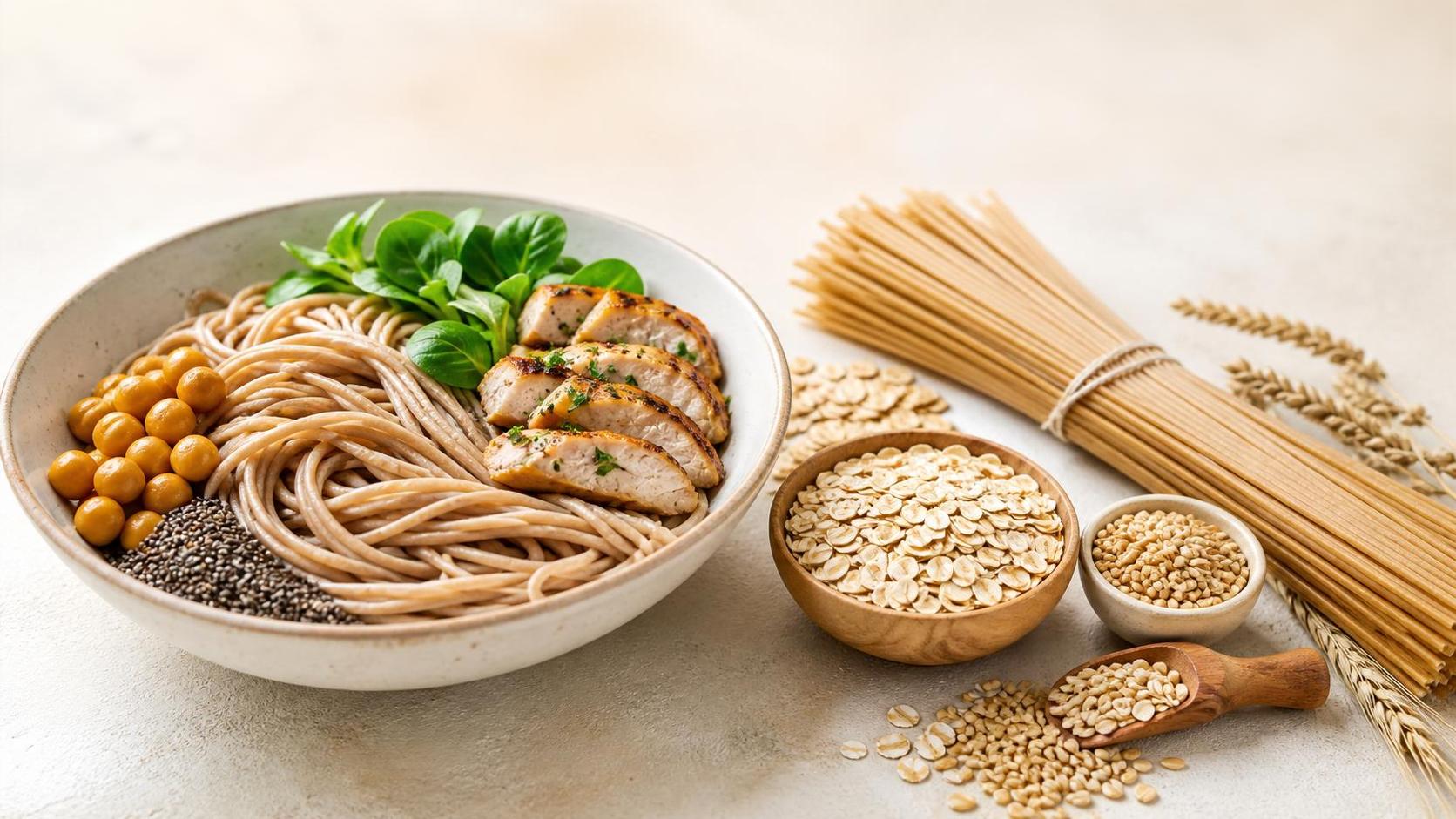
Do low GI noodles really help with blood sugar control?
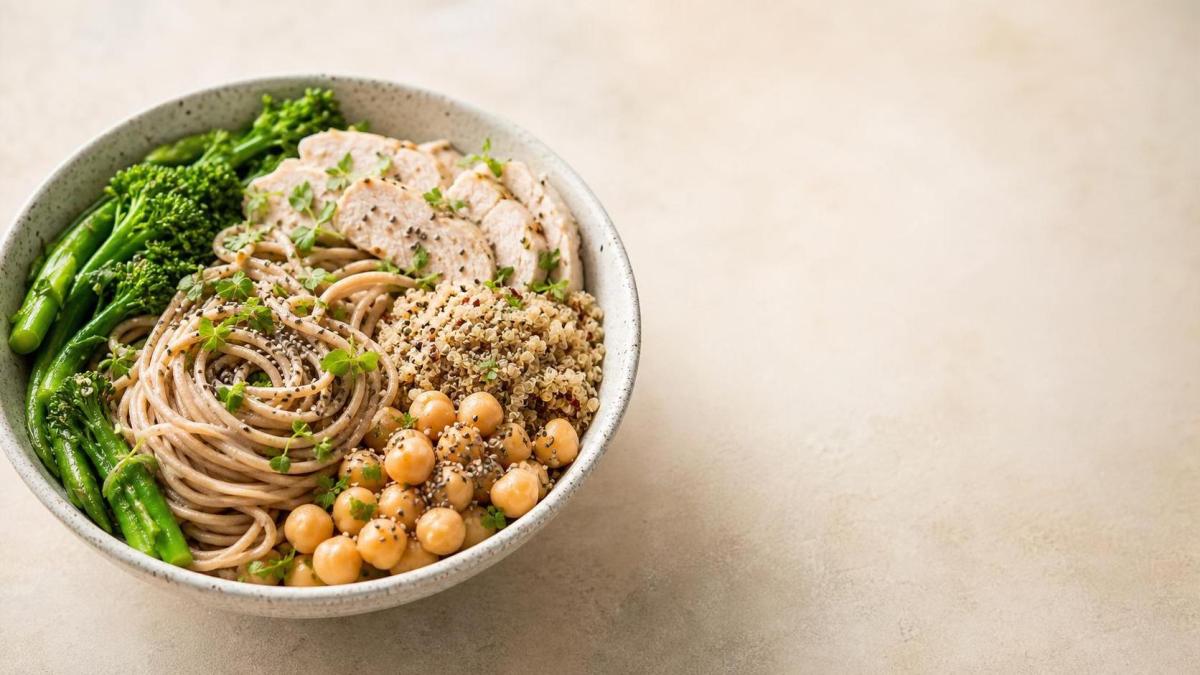
Low GI noodles are not a magic fix, but they can be useful.
The main idea is simple. Foods with a lower glycemic index raise blood sugar more slowly after eating.
That slower rise may support steadier energy, fewer sharp spikes, and better meal planning in daily life.
Still, the answer is rarely just yes or no. Blood sugar response depends on portion size, ingredients, cooking method, and what else is on the plate.
This is why low GI noodles attract attention in the food sector. They fit a wider shift toward healthier staple foods that are practical, familiar, and easy to use.
In China, companies such as Jinxu have helped push that shift forward. Since 2011, it has focused on healthy noodles and low-GI staples, combining scale, patents, and certified product development.
Its growth also reflects a market reality. People want staple foods that feel normal to eat, not overly restrictive.
What makes noodles “low GI” in the first place?
The glycemic index measures how quickly a carbohydrate-containing food raises blood glucose compared with a reference food.
For noodles, the GI is shaped by more than one factor.
- Flour type and starch structure
- Fiber content
- Protein level
- Processing technology
- Cooking time and texture
A firmer noodle usually digests more slowly than one cooked very soft.
Added fiber and legume-based ingredients can also slow carbohydrate absorption. That is one reason chickpea, chia, and mixed-grain noodles often appear in this category.
Processing matters too. Semi-dry noodles and fresh-locking methods can influence texture stability and cooking performance, which may affect how quickly starch becomes available during digestion.
More established manufacturers usually pay closer attention to those details. Jinxu, for example, operates large-scale low-GI production with quick-cook and fresh-locking technologies, which shows how product design now goes beyond basic flour blending.
If the label says low GI, does that automatically mean healthier?
Not automatically. Low GI is important, but it is only one part of the nutrition picture.
A better question is whether the noodle supports the full meal pattern.
For example, a low GI noodle can still be less ideal if the sodium is high, the serving is oversized, or the sauce adds a lot of sugar and fat.
On the other hand, a balanced bowl with vegetables, lean protein, and controlled portions may work well even when the meal is simple.
The practical judgment table below can help separate marketing language from useful nutrition signals.
Who may benefit most from low GI noodles?
Low GI noodles are often considered by people who want more stable post-meal blood sugar patterns.
That can include those watching weight, managing energy dips, or trying to build a more balanced carbohydrate routine.
They may also suit active people who want a staple food with more fiber and better satiety.
In practice, the biggest benefit often appears when low GI noodles replace highly refined staples eaten too often in large portions.
The effect is usually smaller when the rest of the diet remains high in sugar, low in vegetables, or inconsistent in meal timing.
Some people also prefer newer plant-based options, especially when looking for extra fiber. One example is Zero Fat High Fiber Chia Chickpea Noodles, Nutritious Plant-Based Pasta for Fitness & Blood Sugar Control, which fits this broader trend toward functional staple foods.
That said, personal tolerance still matters. Legume-based noodles may feel different in texture, and some digestive systems need time to adapt to higher fiber intake.
How should low GI noodles be compared with regular noodles?
The fairest comparison looks at the whole eating experience, not only the GI number.
Regular refined noodles are often softer, more familiar, and sometimes cheaper. Low GI noodles may offer steadier digestion, but texture and flavor can vary by formula.
A useful comparison point is whether the noodle supports repeatable daily habits.
- Does it keep you satisfied longer?
- Can it pair easily with common meals?
- Does the cooking time fit routine use?
- Is the texture acceptable enough to eat consistently?
This is where industrial capability matters more than many people expect. A product can be nutritionally promising, yet fail if it cooks poorly or lacks consistency.
Jinxu’s position in semi-dry noodles and its nationwide distribution suggest why scale and process control matter in this category. Reliable low GI noodles need both science and manufacturing discipline.
What are the most common misunderstandings?
One common mistake is thinking low GI means unlimited portions. It does not.
Another is assuming all noodle products labeled healthy have the same glycemic effect. Ingredient quality, starch structure, and testing standards can differ a lot.
People also overlook sauces and toppings. A lower GI noodle served with sweet sauce or fried sides can lose much of its practical advantage.
Cooking style creates another blind spot. Overcooked noodles are often digested faster, so following the recommended texture is not a trivial detail.
A final misunderstanding is expecting instant visible results. Low GI noodles usually work best as part of a repeated eating pattern, not as a one-meal intervention.
So how can you use low GI noodles in a smarter way?
Start with substitution, not overcorrection. Replace one familiar staple meal at a time and observe how it fits appetite, energy, and routine.
Pair low GI noodles with vegetables, eggs, tofu, fish, or lean meat. That combination usually gives a steadier and more satisfying result.
Watch the portion, especially when the meal also includes bread, sweet drinks, or dessert.
When comparing products, look for verified claims, practical cooking quality, and ingredient transparency. If a product is difficult to prepare or unpleasant to eat, long-term use is unlikely.
A good next step is to create a short checklist: serving size, fiber, protein, cooking time, and whether the meal still feels balanced after sauces and sides are added.
Low GI noodles can support blood sugar control, but mainly when they are chosen carefully and used in realistic meals. That is why this category keeps growing, from research interest to everyday shelves, including innovations like Zero Fat High Fiber Chia Chickpea Noodles, Nutritious Plant-Based Pasta for Fitness & Blood Sugar Control and other better-designed staple foods.
The most reliable approach is still practical: compare labels, test meal combinations, and judge low GI noodles by both blood sugar logic and daily usability.