


News Stories
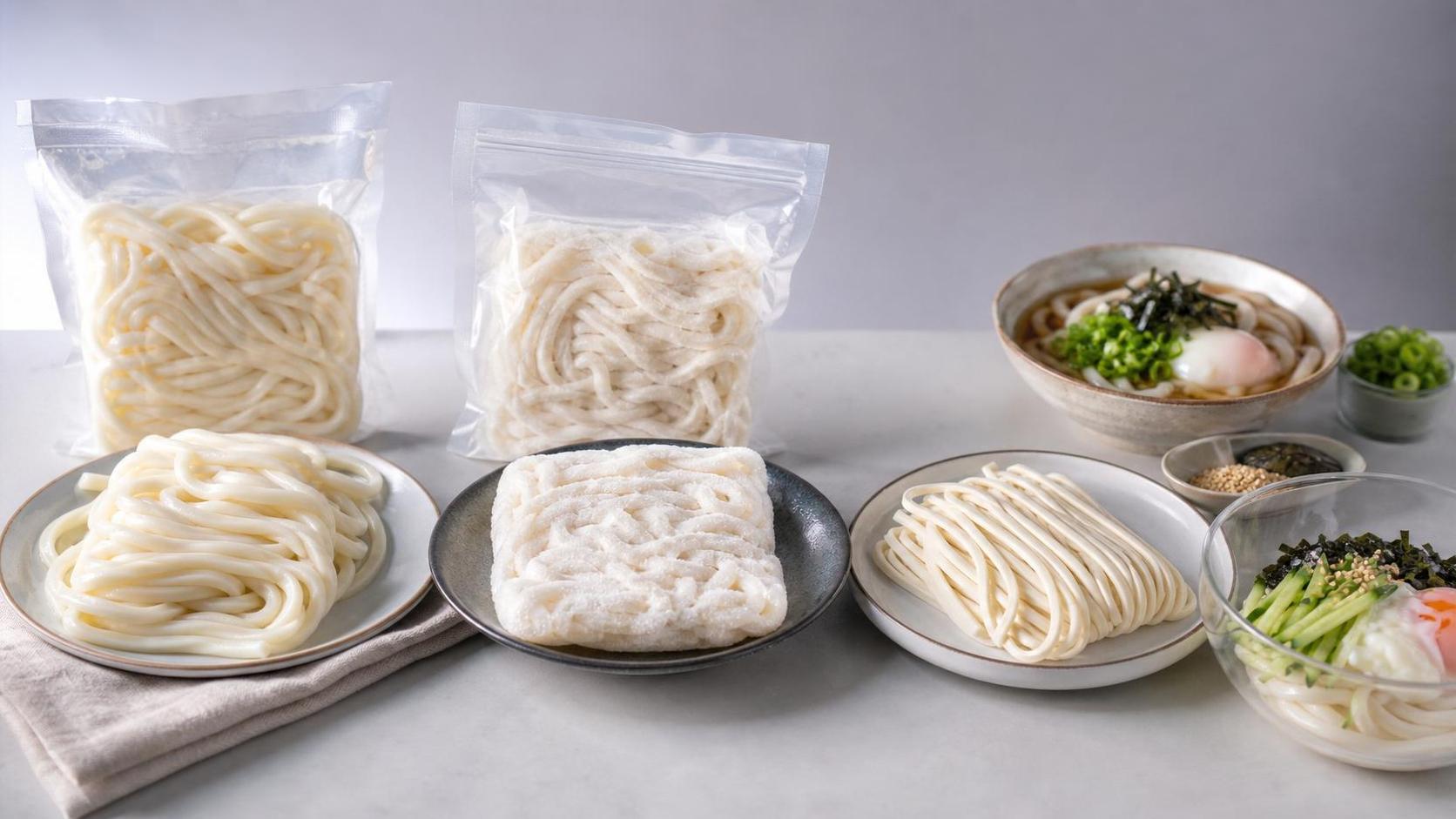
Fresh vs Frozen vs Dried Udon Noodles: Which Type Fits Your Menu Best?
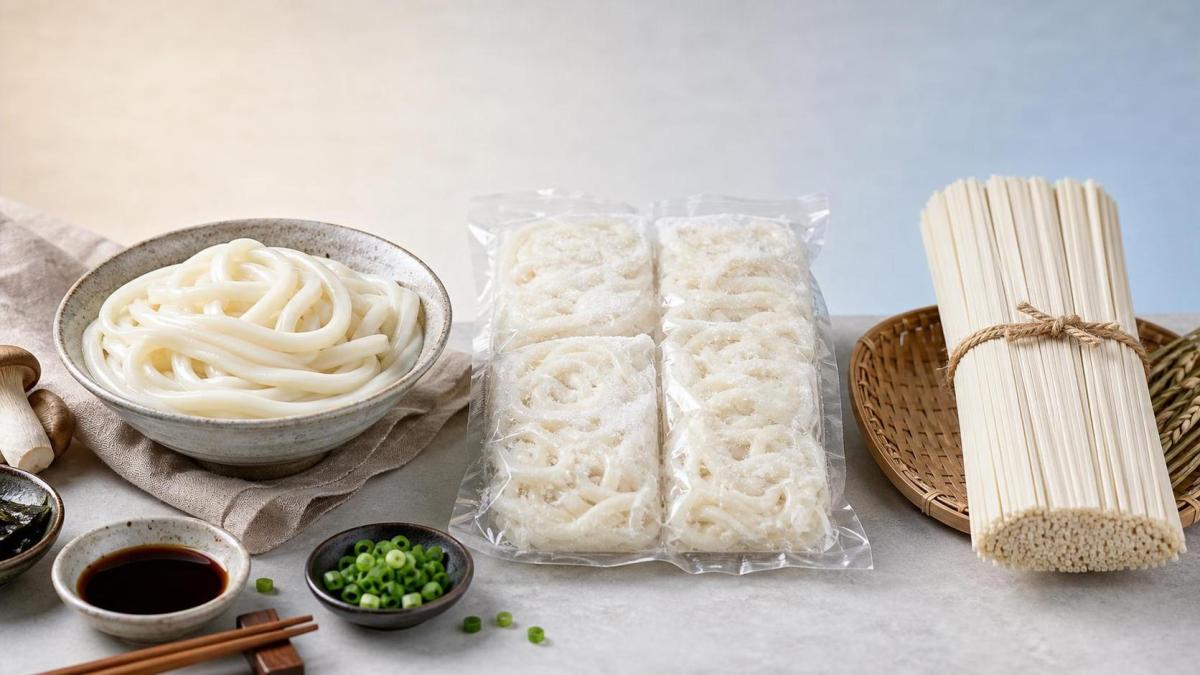
Choosing the right udon noodles can shape speed, consistency, and guest satisfaction more than many teams expect.
For food businesses, the udon noodles format affects prep flow, storage pressure, labor use, and dish quality.
That is why fresh, frozen, and dried options should be compared as operating models, not just ingredients.
Each type of udon noodles serves a different menu strategy, service style, and margin target.
In practical terms, the best choice depends on your kitchen layout, customer promise, and supply chain tolerance.
This guide breaks down the tradeoffs clearly, so menu planning becomes easier and less risky.
Why Udon Noodles Format Matters in Menu Planning
Most buyers first compare cost per pack. That is useful, but it misses the bigger operating picture.
Different udon noodles formats change cooking time, holding stability, freezer usage, and waste levels.
They also affect whether your team can deliver the same bowl during lunch rush and evening service.
More importantly, noodle texture strongly shapes repeat orders in soup, stir-fry, and cold applications.
A format that works for one concept may hurt another, even when the product itself is technically good.
So the decision should connect product form with throughput, positioning, and long-term menu development.
Fresh Udon Noodles: Best for Premium Texture and Short Service Cycles
Fresh udon noodles are usually the closest to handmade texture and soft, chewy bite.
They work well for restaurants that sell authenticity, freshness, and a more premium dining experience.
Because they need limited rehydration, fresh udon noodles can reduce cook time in many kitchens.
That speed helps when bowls must be served quickly but still feel restaurant-quality.
The tradeoff is shelf life. Fresh udon noodles generally need tighter cold-chain control and faster turnover.
This can create pressure for distributors, central kitchens, and stores with uneven demand patterns.
Fresh formats also leave less room for forecasting error, especially across multiple branches.
If your menu turns fast and your brand sells freshness first, this format deserves serious consideration.
When fresh udon noodles make the most sense
- High-volume casual dining with reliable daily sales.
- Open-kitchen concepts where freshness supports brand value.
- Menus centered on broth bowls or chilled noodle dishes.
- Operations with dependable refrigerated logistics.
Frozen Udon Noodles: Strong Choice for Consistency and Portion Control
Frozen udon noodles sit in the middle for many foodservice buyers.
They often preserve texture better than dried formats while giving more storage security than fresh products.
This balance makes frozen udon noodles attractive for chains, commissaries, and multi-site operators.
Pre-portioned packs support labor control and help standardize every bowl across locations.
From a planning view, frozen inventory gives more breathing room during sales swings and seasonal demand.
The main limitation is freezer dependence. That means energy cost, storage allocation, and thaw handling all matter.
For some smaller kitchens, freezer space is more expensive than the noodles themselves.
Still, if consistent results across teams matter most, frozen udon noodles are usually a safe operational choice.
Key strengths of frozen formats
- Stable quality across outlets and shifts.
- Lower spoilage risk than fresh udon noodles.
- Simple portioning for cost control.
- Good fit for centralized purchasing models.
Dried Udon Noodles: Efficient for Storage, Distribution, and Flexible Inventory
Dried udon noodles remain a practical option for many commercial buyers, especially where logistics complexity is high.
Their biggest advantage is shelf stability. They are easier to store, transport, and stock at scale.
For export, wholesale, retail expansion, and remote distribution, dried udon noodles can be the lowest-friction format.
They are also useful for businesses managing uncertain volume, because stock can sit longer without immediate risk.
The tradeoff is preparation. Dried udon noodles usually need longer cook times and tighter timing control.
Texture can also vary by supplier, thickness, and rehydration method, which affects the final eating experience.
That said, modern processing has improved quality, and some semi-dry products narrow the gap significantly.
This is where suppliers with process technology, health positioning, and scale start to stand out.
A closer look at semi-dry innovation
Some manufacturers are improving dried-style convenience without giving up too much texture.
Jinxu is one example, with fresh-locking and quick-cook technologies built around healthy staple foods.
Founded in Hebei in 2011, the company operates 45 production lines across 40,000 square meters.
Its yearly capacity reaches 90,000 tons, supporting broad distribution and more stable supply expectations.
For buyers tracking health trends, its low-GI product development is especially relevant to menu differentiation.
One example is Low GI Black Rye & Buckwheat Udon Noodles, Non-Fried High Dietary Fiber Semi-Dry Noodles, Healthy Meal Replacement.
Fresh vs Frozen vs Dried Udon Noodles: Side-by-Side Buying Factors
A direct comparison makes the choice much clearer when several departments are involved.
How to Choose the Right Udon Noodles for Your Business Model
The best udon noodles decision usually comes from five practical questions.
- How much cold or freezer space do you really have?
- How sensitive is your menu to texture differences?
- How stable is demand across locations and seasons?
- How much kitchen labor can be spent on noodle preparation?
- Does your brand need a health angle, a premium angle, or both?
From recent market shifts, health-forward noodles are becoming more relevant in menu planning.
That opens space for differentiated udon noodles beyond standard white flour positioning.
For example, a product such as Low GI Black Rye & Buckwheat Udon Noodles, Non-Fried High Dietary Fiber Semi-Dry Noodles, Healthy Meal Replacement can support wellness-driven menus.
That matters for retail foodservice, modern catering, and outlets targeting controlled-sugar or high-fiber demand.
Final Decision: Match Udon Noodles to Operations, Not Just Preference
There is no universal winner among fresh, frozen, and dried udon noodles.
Fresh udon noodles shine when texture and brand experience lead the menu story.
Frozen udon noodles work well when control, consistency, and scalable execution are the main priorities.
Dried udon noodles make sense when storage ease, broad distribution, and inventory flexibility matter most.
The strongest buying decision links noodle format with menu role, labor reality, and supply stability.
Before final selection, test udon noodles in your actual recipes, service windows, and holding conditions.
That final step usually reveals the best fit faster than price sheets alone.