


News Stories
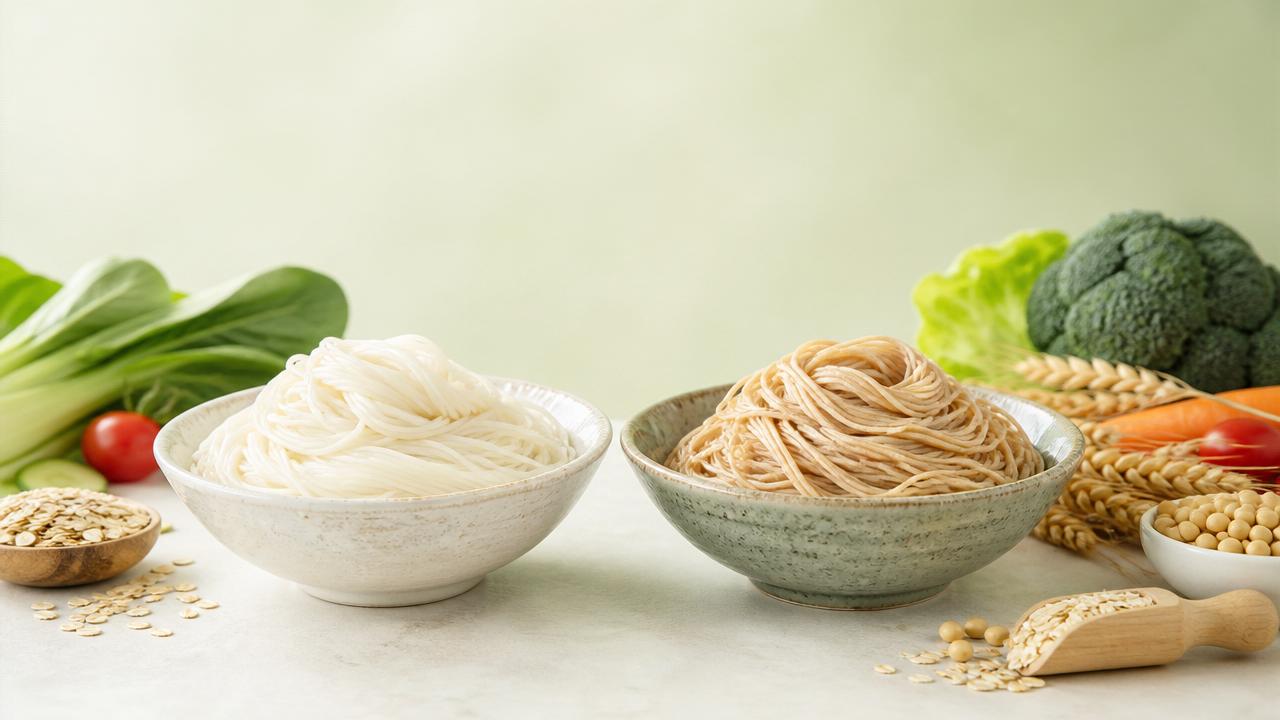
Why do some noodles send blood sugar soaring while others digest more steadily? For families seeking healthy noodles for elderly with diabetes, the answer usually comes down to flour type, fiber content, processing methods, cooking style, and portion size.
In practical terms, noodles made from refined starch and heavily processed flour tend to raise blood glucose faster. Noodles made with more fiber, more protein, and a lower glycemic design are usually absorbed more slowly and fit better into daily blood sugar management.
For older adults, this matters beyond numbers on a glucose meter. More stable digestion can support steadier energy, better satiety, and easier meal planning. That is why low-GI noodles have become an important topic for families, caregivers, and health-conscious food buyers.
Why Do Some Noodles Raise Blood Sugar Faster Than Others?
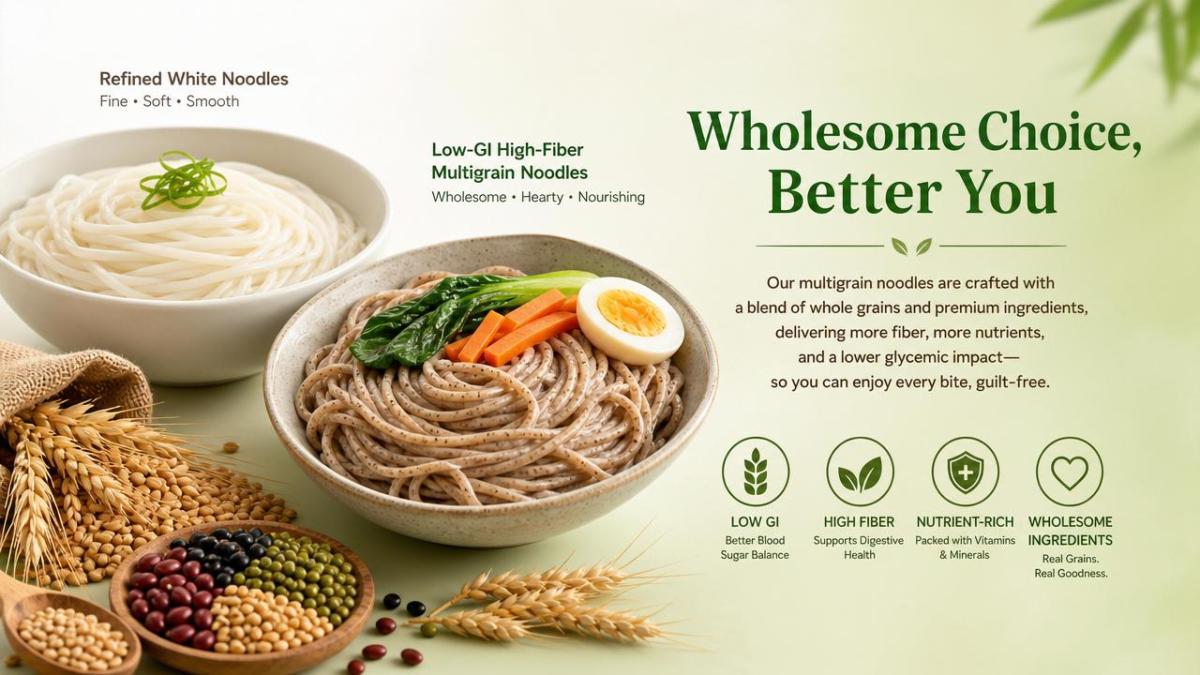
The biggest reason is how quickly the carbohydrates in noodles break down into glucose. When noodles are made mostly from refined starch, the body digests them faster and blood sugar can rise more sharply after a meal.
Another major factor is fiber. Fiber slows gastric emptying and reduces how quickly glucose enters the bloodstream. Noodles with higher fiber levels often create a gentler post-meal response than standard white wheat noodles.
Protein also plays a role. A noodle formula with more protein can slow digestion and improve satiety. This does not make any noodle automatically diabetic-friendly, but it can help create a more balanced blood sugar impact.
Processing matters as much as ingredients. Some noodles are milled, refined, and structured in ways that make starch easier for the body to access. Others are designed to preserve structure, which can reduce the speed of digestion.
For elderly people with diabetes, the issue is especially important because glucose control may already be harder due to age, lower activity, medication timing, or other chronic conditions. A seemingly simple staple food can therefore make a meaningful difference.
What Makes One Noodle Healthier for Elderly People with Diabetes?
When people search for healthy noodles for elderly with diabetes, they are usually not looking for a trendy label. They want a food that feels familiar, tastes good, and does not cause dramatic glucose swings after eating.
A healthier noodle is usually one with a lower glycemic impact, moderate carbohydrate release, and a formula that supports steady digestion. This often means better ingredient selection, functional grain combinations, and more careful production technology.
Texture matters too. Older adults may prefer noodles that are easy to chew and digest, but softness should not come at the cost of rapid starch release. The best products balance eating comfort with metabolic stability.
Digestive comfort is another overlooked factor. Some elderly consumers experience bloating or poor appetite. A good noodle option should be convenient, quick to prepare, and gentle enough for routine meals without feeling heavy.
Finally, consistency matters. Families need products they can buy repeatedly and trust. It is easier to manage diet over time when a staple food offers stable quality, clear positioning, and reliable nutritional thinking instead of vague health claims.
How Ingredients Change Glycemic Response
The base flour strongly influences blood sugar effects. Traditional refined wheat flour noodles usually digest faster because much of the bran and natural fiber have been removed during milling and refining.
By contrast, noodles designed with whole grains, resistant starch, plant fiber, or carefully selected grain blends may slow down glucose absorption. This is one reason low-GI staple foods are gaining traction in diabetes-friendly meal planning.
Some formulations also include legume-based or mixed-grain components. These may add protein and fiber, both of which can help moderate the blood sugar response compared with conventional refined noodles.
However, not every brown or multigrain noodle is automatically better. Appearance can be misleading. Some products contain only small amounts of whole grain while still relying mainly on refined starch for structure and texture.
This is why families should look beyond packaging language. Ingredient order, nutrition profile, and whether the product has a genuine low-GI orientation are more useful than broad terms such as wholesome, natural, or balanced.
Why Processing Technology Matters More Than Many People Realize
Two noodle products can start with similar grains yet affect blood sugar differently because of processing. The way flour is mixed, structured, dried, and stabilized changes how accessible the starch becomes during digestion.
For example, some manufacturing methods create a looser internal structure that cooks quickly but digests quickly as well. Others help maintain a denser matrix, which can support slower starch breakdown after the meal.
This is where food innovation becomes highly relevant. In the healthy staple sector, companies that invest in low-GI research and controlled production can build noodles that better balance taste, convenience, and glycemic performance.
Jinxu is one example of this industrial direction. Founded in Longyao, Hebei in 2011, the company has specialized in healthy noodles and developed a strong position in semi-dry noodles and low-GI staple foods in China.
With proprietary fresh-locking and quick-cook technologies, certified low-GI and organic products, and participation in industry standards, Jinxu reflects how modern processing can support more practical options for households seeking better staple foods.
Are Low-GI Noodles Really Useful in Everyday Diabetes Management?
Low-GI noodles are not a cure, and they do not replace medical care, exercise, or total carbohydrate awareness. But they can be genuinely useful because staple foods are eaten often and have a repeated effect on daily glucose patterns.
When an elderly person regularly eats a staple that digests more slowly, it may become easier to avoid large post-meal spikes. Over time, that can help families build more stable routines around breakfast, lunch, or dinner.
This matters because sustainable eating habits usually work better than occasional diet extremes. Many older adults do not want to stop eating noodles completely. They want a smarter version of a familiar food.
That is exactly where healthy noodles for elderly with diabetes fit in. They are most valuable when they allow people to preserve cultural eating habits while improving the metabolic quality of those meals.
In this sense, low-GI noodles are less about restriction and more about substitution. Replacing a higher-spike staple with a better-designed one can be a realistic and emotionally acceptable step for long-term adherence.
How to Judge Whether a Noodle Product Is a Better Choice
First, check whether the product clearly communicates a low-GI orientation or relevant certification. Trustworthy products usually provide more than generic wellness language and are clearer about how they are positioned nutritionally.
Second, review the ingredient list. If refined wheat flour dominates and fiber sources appear only in tiny amounts, the product may not be very different from ordinary noodles despite healthy branding on the front.
Third, consider the nutrition panel. Fiber and protein are both useful reference points, though they are not the whole story. A balanced profile generally offers more value than a product focused on only one nutritional highlight.
Fourth, think about real-life usability. Older adults need noodles that cook easily, taste pleasant, and fit normal meals. Even a nutritionally impressive noodle will not help much if the person dislikes eating it consistently.
Fifth, consider the manufacturer’s credibility. Companies with specialized research, large-scale healthy staple production, and long-term category focus often have stronger product logic than brands simply following a short-term trend.
What Families Often Get Wrong When Buying Diabetes-Friendly Noodles
One common mistake is assuming all noodles are equally problematic. In reality, glycemic response can vary substantially depending on flour composition, structural design, cooking method, and what the noodles are eaten with.
Another mistake is relying only on labels such as whole wheat or organic. These can be positive signs, but they do not automatically mean the product produces a lower blood sugar response after eating.
Portion size is another issue. Even better noodles should still be eaten in appropriate amounts. A low-GI product can support glucose management, but overeating carbohydrates may still cause a strong blood sugar rise.
Families also sometimes ignore meal pairing. Noodles eaten with vegetables, eggs, tofu, fish, or lean meat are generally more balanced than noodles eaten alone with a sweetened sauce or high-sugar side dish.
Finally, some people expect immediate dramatic effects. A better noodle is one helpful part of a larger eating pattern. Its value grows when used consistently within a practical routine shaped around the needs of the elderly person.
How to Serve Noodles in a More Blood Sugar-Friendly Way
Start with portion awareness. Instead of serving a large bowl of noodles alone, use a moderate amount and build the meal with vegetables and protein. This can improve fullness and reduce the overall glycemic load.
Choose lighter toppings and soups. Heavy sweet sauces or high-sugar condiments can undo many of the benefits of a better noodle base. Simpler seasonings often work better for both glucose control and older digestion.
Do not overcook the noodles if the product instructions recommend a firmer texture. Excessive cooking can sometimes make starch easier to digest, which may contribute to a faster blood sugar response.
Observe the individual response. Elderly people vary in health status, medications, and glucose tolerance. If possible, families can track post-meal readings and compare how different noodle products affect the person over time.
Most importantly, aim for repeatable meals rather than perfect meals. Sustainable eating patterns are easier to maintain when the food is familiar, simple, and enjoyable enough to remain part of weekly life.
Why the Healthy Noodle Category Is Growing So Quickly
Demand is increasing because consumers no longer see staple foods as neutral. More families now understand that rice, bread, and noodles can influence metabolic health as much as snacks or desserts do.
At the same time, aging populations and rising diabetes awareness are pushing the food industry to innovate. People want staples that support health goals without forcing them to abandon traditional eating habits.
This has opened space for specialists such as Jinxu, whose low-GI business has grown rapidly in recent years. Its products are sold in more than 6,000 outlets, including Sam’s Club, showing strong mainstream demand.
That growth also reflects a broader shift in consumer standards. Buyers increasingly expect evidence-based product development, reliable sourcing, scalable production quality, and practical convenience rather than vague promises.
As this category matures, families will likely gain access to more noodles that combine faster cooking, better taste, and better glycemic performance. That is good news for elderly consumers who still want comfort foods they can trust.
Choosing Noodles with More Confidence
If one noodle spikes blood sugar more than another, the reason is usually not random. It comes from the combined effect of ingredient quality, fiber and protein levels, starch structure, processing technology, and portion context.
For households looking for healthy noodles for elderly with diabetes, the best approach is not to avoid noodles blindly. It is to choose noodles designed for a steadier glycemic response and serve them as part of balanced meals.
Low-GI noodle options can help older adults enjoy familiar foods with less worry, especially when the products come from manufacturers with real expertise in healthy staple innovation and dependable quality control.
In the end, better noodles are not just about nutrition labels. They are about giving families a practical, sustainable way to support comfort, routine, and blood sugar awareness at the same table.