


News Stories
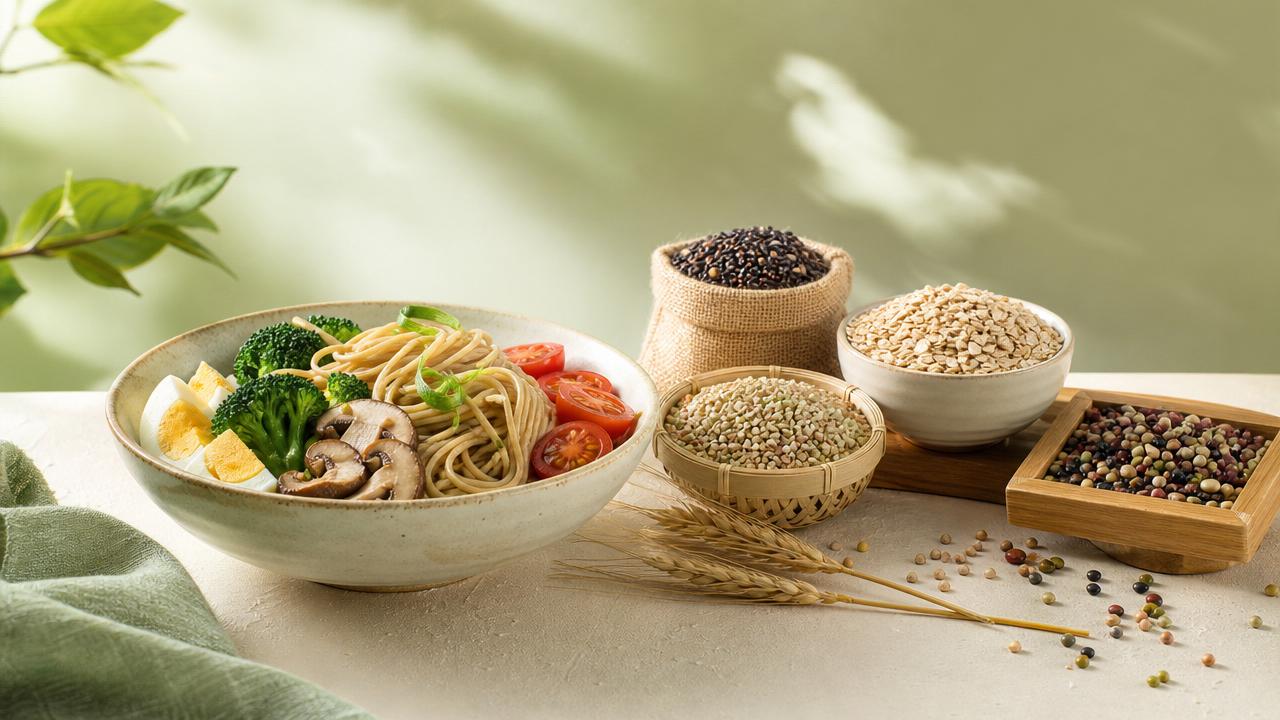
Choosing the right noodles can make a real difference in blood sugar management, especially for seniors. In this guide, we explore which options work best and why healthy noodles for elderly with diabetes are gaining attention among families and health-conscious consumers. From low-GI ingredients to easier digestion and better daily meal balance, understanding noodle types can help support smarter, healthier food choices.
Which noodle types are generally better for blood sugar control?
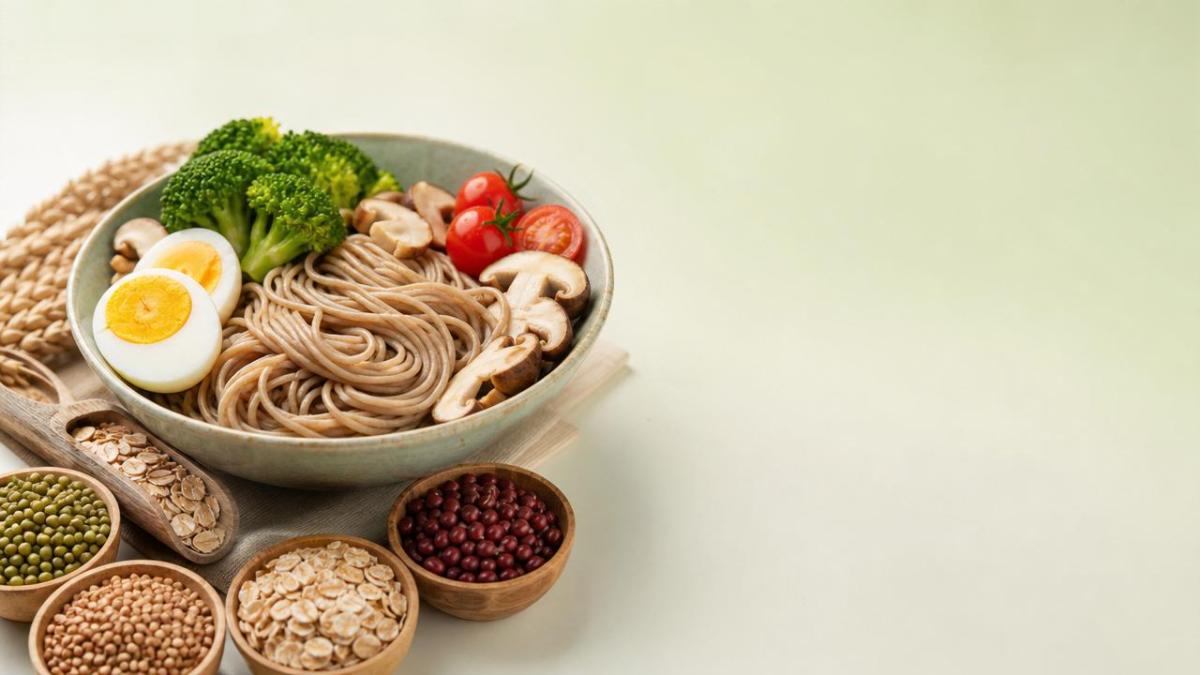
The short answer is that low-GI noodles, high-fiber noodles, and less refined grain noodles are usually better choices for blood sugar control than standard refined wheat noodles.
For older adults with diabetes, the best option is not simply “less noodles,” but noodles made from ingredients that digest more slowly and create a gentler glucose response.
This is why many families now look for healthy noodles for elderly with diabetes instead of relying only on portion cuts or avoiding staple foods completely.
In practical terms, noodles made with whole grains, resistant starch, legumes, or specially developed low-GI formulas tend to perform better than highly processed white-flour varieties.
Texture and cooking method also matter. A noodle that stays firm after cooking often raises blood sugar more slowly than one that becomes overly soft and easy to absorb.
That said, no noodle works in isolation. Portion size, protein pairing, vegetables, oil content, and the eater’s metabolic condition all influence the final blood sugar response.
Why do some noodles raise blood sugar faster than others?
The main reason is how quickly the body breaks carbohydrates into glucose. Refined starches with little fiber digest rapidly and may cause a faster post-meal blood sugar spike.
Traditional instant noodles and many common white noodles are made from highly refined flour. They are convenient, but they are often not the best option for blood sugar stability.
By contrast, low-GI noodles are designed or formulated to release glucose more gradually. This slower digestion can help reduce sharp fluctuations after meals.
Fiber plays an important role because it slows digestion and improves satiety. Noodles with more fiber may help seniors feel full longer and eat more balanced portions.
Protein content also influences the response. Some noodles include soybean, pea, buckwheat, oat, or other functional ingredients that help moderate carbohydrate absorption.
Another factor is processing technology. The way noodles are dried, structured, or cooked can change starch behavior and affect how quickly the body absorbs them.
Which noodle types should seniors with diabetes compare first?
When shopping for better noodles, it helps to compare categories instead of brands alone. Ingredient type gives a clearer picture than front-label marketing claims.
Low-GI formulated noodles are often the first category worth checking. These are developed specifically for blood sugar management and may be supported by testing or certification.
Whole wheat noodles can be a step up from refined white noodles, especially when they contain meaningful fiber and are not blended mostly with refined flour.
Buckwheat noodles are another popular choice. True buckwheat-containing noodles may offer a better nutritional profile, though the exact benefit depends on the actual buckwheat ratio.
Legume-based noodles, such as those made with soybean or pea ingredients, may provide more protein and fiber. For some people, they support slower digestion and better fullness.
Oat or mixed-grain noodles can also be helpful, especially when formulated for low glycemic impact. However, not every mixed-grain product is automatically diabetes-friendly.
Semi-dry noodles deserve attention as well. When made with advanced processing and low-GI formulations, they can combine convenience, texture, and a better blood sugar profile.
What should families look for on the label before buying?
Many consumers assume “multigrain,” “coarse grain,” or “healthy” always means blood sugar friendly. In reality, the label needs a closer review.
First, check the ingredient list. Ingredients are listed by weight, so the first few items reveal whether the noodle is mostly refined wheat or truly built around better grains.
Second, look for low-GI claims that are credible and verifiable. Certified low-GI products offer more confidence than vague wording such as “light,” “wholesome,” or “balanced.”
Third, review the dietary fiber and protein numbers. Higher fiber and moderate protein can be signs of a noodle that may support steadier digestion.
Fourth, compare the cooking characteristics. Quick-cook convenience is useful, but consumers should still pay attention to whether the noodle keeps a firm texture after preparation.
Finally, look at sodium and added fat, especially for older adults managing blood pressure or cardiovascular concerns along with diabetes. A better noodle should support overall health, not only glucose goals.
Are low-GI noodles really useful in daily meals?
For many households, yes. Low-GI noodles can be a practical way to improve everyday eating without forcing seniors to give up familiar staple foods.
This matters because long-term dietary success often depends on consistency. A food people enjoy and can prepare easily is more likely to stay in the routine.
Healthy noodles for elderly with diabetes are especially useful when seniors prefer soft but structured staple foods, need convenience, or have reduced appetite for more complex meals.
They can also help caregivers. Instead of planning entirely separate meals, families can build one shared dish with a more suitable noodle base and balanced side ingredients.
For food service buyers, retailers, and health-focused distributors, low-GI noodles answer growing demand from aging consumers and families seeking smarter staple options.
As awareness of glycemic response rises, products that combine verified functionality, acceptable taste, and reliable supply are becoming more attractive across both consumer and commercial channels.
How should noodles be served for better blood sugar management?
Even the best noodle choice performs better when served in a balanced way. Blood sugar control depends on the meal pattern, not just the starch source.
Start with portion awareness. A moderate serving of noodles paired with vegetables and protein is usually better than a large bowl of noodles alone.
Add lean proteins such as eggs, tofu, fish, chicken, or soy products. Protein helps improve satiety and slows the overall pace of digestion.
Include non-starchy vegetables generously. Leafy greens, mushrooms, tomatoes, cucumbers, cabbage, and broccoli can increase meal volume without adding heavy glucose load.
Limit sugary sauces and excessive oil. Some noodle dishes appear healthy at first, but rich toppings and sweet seasonings can quickly reduce their overall benefit.
Cooking noodles until just done rather than very soft may also help. Overcooked noodles can be easier to digest quickly, which may contribute to a faster glucose rise.
What common mistakes make “healthy” noodles less effective?
One common mistake is focusing only on the package claim and ignoring the nutrition facts. A healthy-looking label does not always mean the product supports blood sugar control.
Another mistake is eating low-GI noodles in oversized portions. Even better carbohydrates can still contribute to high glucose levels when total intake becomes excessive.
Many people also forget the effect of side dishes. Fried toppings, processed meats, and heavy soup bases can turn a better staple into a less balanced meal.
Some families assume any whole grain is suitable for every senior. But older adults may have different digestive tolerance, chewing ability, and medication-related nutrition needs.
It is also a mistake to treat noodles as a stand-alone medical solution. They are one useful food choice, but not a replacement for broader diabetes management.
Better results come from combining appropriate staple foods with consistent routines, medical guidance, and regular monitoring when needed.
Why are specialized healthy noodles gaining more attention?
The demand is growing because consumers want practical foods that fit real life. They are looking for staples that support health without sacrificing convenience or eating enjoyment.
This shift is especially clear in the senior nutrition market. Families often search for products that are easier to prepare, easier to digest, and more supportive of blood sugar stability.
Manufacturers that invest in low-GI research, ingredient sourcing, and process technology are helping move noodles from a simple staple into a more functional daily food.
For example, companies focused on healthy staples have introduced semi-dry and low-GI noodle solutions that combine texture, shelf stability, and targeted nutritional value.
In this category, innovation matters. The best products are not just using healthier ingredients, but also improving structure, freshness retention, and cooking performance.
That combination is important for both home users and commercial buyers, because a product must be health-oriented, consistent, and convenient to succeed in regular use.
How can buyers judge whether a noodle product is worth trusting?
Trust starts with transparency. Buyers should look for brands that clearly explain ingredients, production standards, and any low-GI or organic certifications they claim.
Scale and manufacturing capability also matter, especially for retailers and distributors. A reliable supplier should be able to ensure quality consistency and stable output.
R&D strength is another useful signal. Companies with proprietary technology or participation in industry standards often bring more substance than brands driven only by packaging trends.
It also helps to consider where raw materials come from and whether the company has a clear focus on healthy staple foods rather than chasing short-term market buzz.
For professional buyers, strong nationwide distribution and proven channel presence can further reduce risk. These factors suggest the product has already earned broader market acceptance.
Ultimately, the most trustworthy noodle products are those that align verified health value with everyday usability, taste acceptance, and dependable production quality.
Final takeaway: which noodles are better for blood sugar control?
The best noodle types for blood sugar control are usually low-GI noodles, higher-fiber noodles, and carefully formulated grain or legume-based noodles that digest more slowly than refined white noodles.
For seniors, the ideal choice is one that supports stable blood sugar, feels easy to eat, fits daily habits, and works well in balanced meals with protein and vegetables.
That is why healthy noodles for elderly with diabetes are gaining real attention. They offer a more practical path between strict restriction and everyday eating comfort.
Instead of asking whether noodles are good or bad in general, it is more useful to ask which noodle type, what portion, and how the meal is built around it.
With that mindset, families and buyers can make more informed decisions and choose noodle products that bring both nutritional value and real-world convenience.