


News Stories
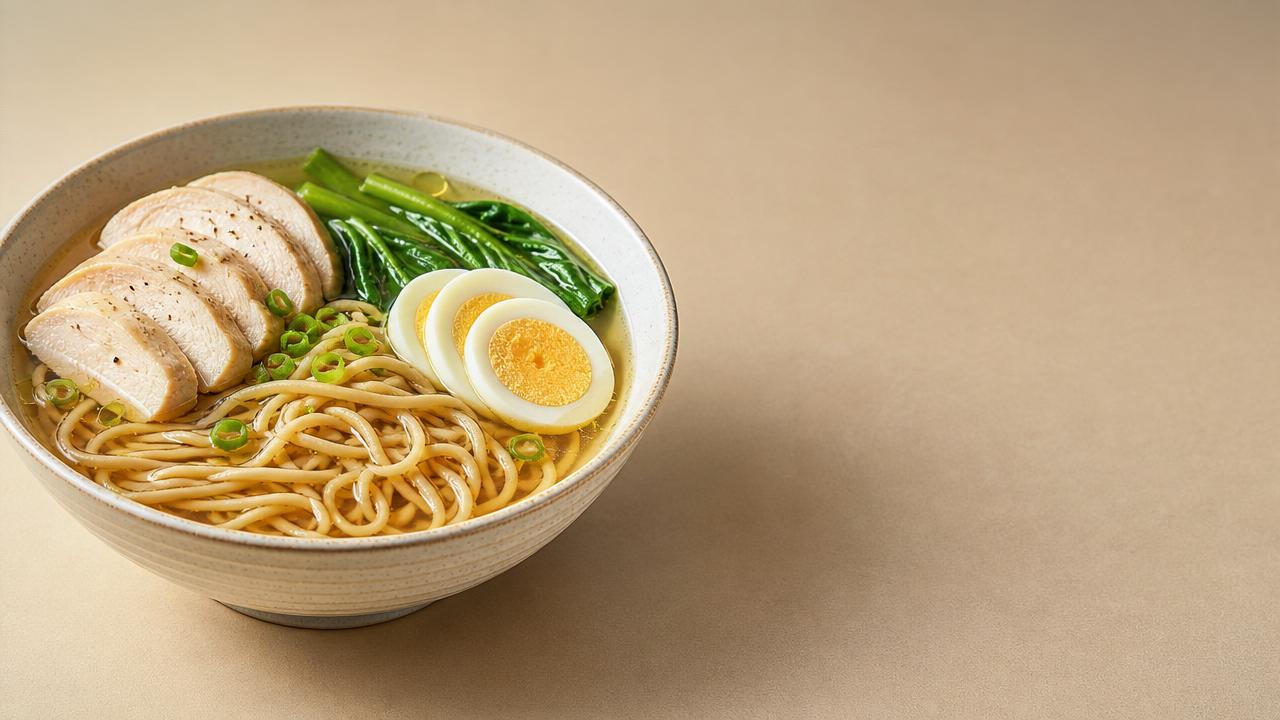
If you’ve ever wondered what noodles to eat while working out, the answer often comes down to digestion, energy release, and ingredient quality. Some noodle dishes support training days better by offering steadier carbs, lighter textures, and smarter nutrition. For athletes and active eaters, choosing the right noodles can help balance performance, fullness, and recovery without sacrificing taste.
What actually makes a noodle dish better for training days?
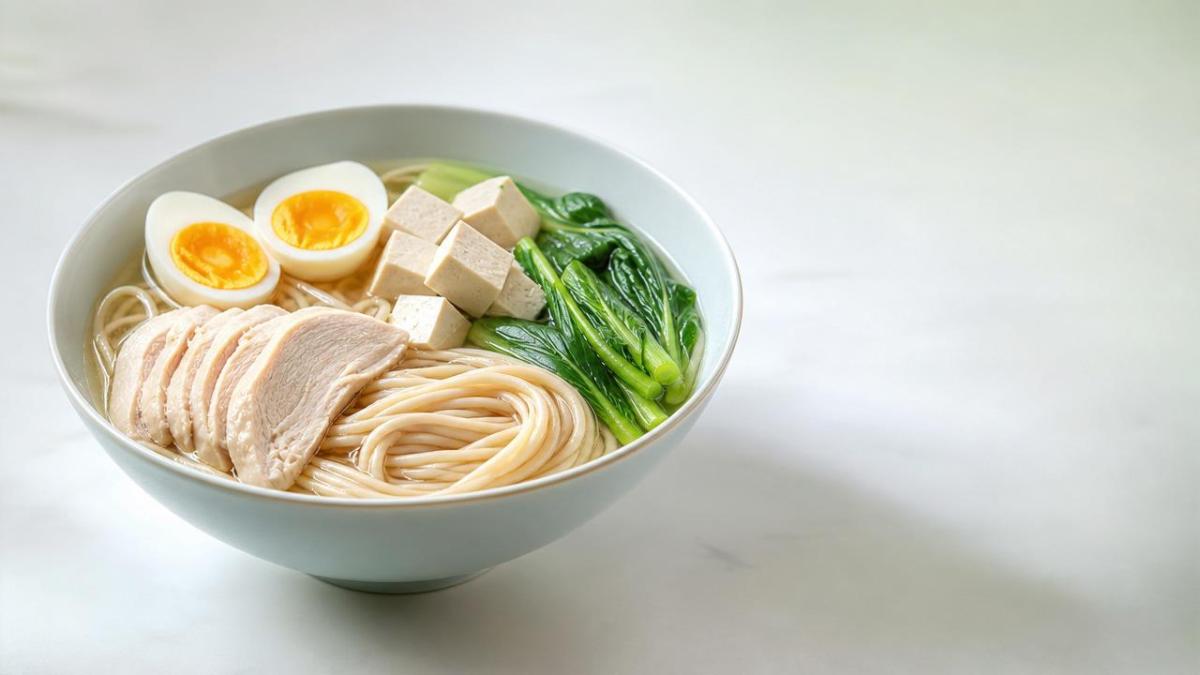
When people search what noodles to eat while working out, they usually want a practical answer, not a theory lesson. The short answer is simple: better training-day noodles digest comfortably, provide usable carbohydrates, and fit the timing of your workout.
That means the best noodle dish is not always the richest, biggest, or most indulgent one. A better choice is often a bowl built around moderate portions, cleaner ingredients, balanced toppings, and a texture that feels light enough to eat before or after exercise.
For most active people, carbohydrates matter because they help fuel movement, especially during running, strength training, cycling, team sports, and longer sessions. Noodles can absolutely fit that need, but the type of noodle and the way the dish is prepared make a major difference.
Some dishes release energy too quickly, then leave you feeling heavy or hungry again soon after. Others offer a steadier experience, which is why low-GI and better-formulated noodle options are increasingly popular among athletes, fitness-focused families, and health-conscious eaters.
On training days, the goal is not to label noodles as good or bad. It is to choose a dish that matches your body, your workout intensity, and the time you plan to eat. That is where ingredient quality and smarter formulation start to matter.
Why do some noodles feel great before exercise while others feel too heavy?
The biggest reason is digestion speed. Before training, most people want food that gives energy without sitting too heavily in the stomach. Thick, oily, creamy, or deeply fried noodle dishes may taste satisfying, but they can feel slow and uncomfortable before movement.
By contrast, noodles with a cleaner formula, a moderate portion size, and a lighter sauce are often easier to tolerate. This is especially useful if you exercise within one to three hours after eating and want to avoid bloating or sluggishness.
Fiber, fat, and protein all influence how full you feel and how quickly food moves through the digestive system. That is helpful in many situations, but too much of any one element right before exercise can make a noodle meal feel less training-friendly.
The cooking style also matters. A lighter broth, quick-cooked noodles, lean meat, egg, tofu, or simple vegetables usually create a more balanced dish than noodles overloaded with heavy oil, processed toppings, or strong sodium-heavy seasoning.
Texture plays a role too. Semi-dry noodles and well-processed quick-cook noodles can offer convenience and consistency, which matter for people who want predictable meals around training. If the noodle cooks evenly and keeps a pleasant bite, it is easier to portion and pair well.
How does glycemic impact affect workout energy?
One reason people ask what noodles to eat while working out is that they want energy that lasts, not just a fast spike. This is where glycemic impact becomes useful. Foods with a lower glycemic response may help provide steadier energy release for some people.
That does not mean every workout requires low-GI food, and it does not mean high-GI foods are always wrong. But for many active adults, especially those trying to manage appetite, blood sugar swings, or sustained energy, low-GI noodles can be a smart option.
Steadier carbohydrate release may help people feel more stable between meals and more in control of hunger. That can be especially valuable on training days when food timing matters and people do not want to feel sleepy, overly full, or suddenly drained.
Low-GI noodle innovation has become more relevant because modern consumers want staple foods that support both health goals and everyday convenience. Better processing, improved ingredient selection, and more thoughtful formulation are changing what a noodle product can deliver.
For brands like Jinxu, which focus on low-GI healthy staples, this category is not just about a nutrition claim. It is about building noodle products that respond to real-life needs: steadier energy, easy cooking, broad accessibility, and a better fit for active lifestyles.
What noodles to eat while working out depends on when you eat them
The best answer changes depending on whether you are eating before, between, or after exercise. Timing matters just as much as ingredients. A noodle dish that works well two hours before training may not be the best choice thirty minutes before you start moving.
If you are eating two to three hours before exercise, a balanced bowl can work very well. Choose noodles with moderate carbohydrates, a light protein source, and a small amount of vegetables. Keep sauces lighter so the meal feels satisfying without becoming too dense.
If you only have about one hour before exercise, a smaller serving is usually safer. The focus should be easier digestion, simple flavors, and less oil. In that case, plain or lightly seasoned noodles with egg white, tofu, or a small amount of lean chicken may work better.
After a workout, noodles can support recovery by helping replenish energy stores, especially when paired with protein. This is a good time for a more complete bowl, such as noodles with egg, fish, chicken, tofu, or soy-based additions, plus vegetables and broth.
For people training multiple times a week, consistency matters more than perfection. Reliable noodle products that cook quickly, portion well, and align with health goals are often more useful than occasional “ideal” meals that are too complicated to repeat.
Which ingredients improve a noodle dish for active people?
A better noodle dish starts with the noodle itself. Look for noodles made with quality grains, smart formulation, and a nutritional profile that fits your goals. If you want steadier energy and everyday usability, low-GI options deserve serious attention.
Next comes protein. Adding eggs, tofu, chicken breast, shrimp, or lean beef can make the meal more balanced and more suitable after workouts. Protein supports recovery and helps the dish feel complete, especially if the noodles are your main source of carbohydrates.
Vegetables help too, but quantity and type should match timing. Before training, a moderate amount of easier-to-digest vegetables may feel better than a very fibrous, bulky bowl. After training, you can often tolerate a fuller mix of vegetables more comfortably.
Seasoning is another hidden factor. Very salty, oily, or sugary sauces can turn a decent noodle bowl into a less useful training meal. A lighter broth, soy-based seasoning, sesame in moderation, or a gentle savory sauce often creates a cleaner finish.
Portion control matters just as much as ingredients. Even a high-quality noodle can feel wrong if the serving is oversized for your workout window. Active eaters usually do best when they treat noodles as part of a balanced plate, not the entire plate.
What should you avoid in noodles before a workout?
The most common mistake is choosing a dish that is too rich. Heavy cream sauces, excessive chili oil, deep-fried toppings, oversized meat portions, and extra cheese may be enjoyable, but they often do not pair well with exercise that follows soon after.
Another issue is eating too much too late. Even good noodles can feel uncomfortable if you finish a large bowl and head straight into a workout. Digestion needs time, and training quality can drop if your meal is still sitting heavily in your stomach.
Some people also overlook how spicy food affects them personally. Spicy noodles are not automatically a problem, but they can lead to discomfort during cardio, interval sessions, or longer runs. Individual tolerance should guide the final decision.
Highly processed add-ons can also weaken the meal. If the bowl relies on fatty processed meats, very salty soup bases, or low-quality instant flavor packs, the result may be less supportive for people trying to eat for both performance and long-term health.
The goal is not to eliminate flavor. It is to reduce the factors most likely to interfere with comfort, hydration, and stable energy. That is why the best training-day noodle dishes usually feel clean, balanced, and easy to return to again and again.
Why are low-GI and semi-dry noodles gaining attention?
Consumers want staple foods that fit modern routines. They want something healthier than standard convenience options, but still easy to prepare. That is exactly why low-GI and semi-dry noodles are gaining attention in both retail and performance-minded nutrition conversations.
Semi-dry noodles can offer a useful middle ground between fresh texture and shelf-stable convenience. When paired with fresh-locking and quick-cook technology, they help people prepare a fast meal without giving up too much on texture or eating experience.
Low-GI noodles answer another major concern: how to enjoy a familiar staple while making smarter choices about blood sugar response and sustained fullness. For many households, this makes healthy eating more realistic because the food still feels familiar and enjoyable.
Jinxu’s development in this area reflects a broader market shift. By focusing on healthy noodles, low-GI staple foods, and scalable innovation, the company aligns with what many modern buyers want: practical health support, dependable quality, and products suited to everyday life.
Its growth also shows that better-for-you staples are no longer a niche interest. When low-GI noodle products reach thousands of outlets and gain traction quickly, it signals that consumers are actively looking for alternatives that fit both wellness goals and convenience needs.
How can shoppers judge whether a noodle product is a smart training-day choice?
Start by reading beyond the front label. Terms like healthy, light, or fitness-friendly sound appealing, but they are not enough on their own. Look at the ingredient list, preparation method, and whether the product has a clear nutritional positioning.
If blood sugar steadiness matters to you, low-GI certification or substantiated formulation can be more meaningful than vague health language. It gives shoppers a stronger basis for comparison, especially if they are choosing staple foods for repeated weekly use.
Consider how the noodle fits into a complete meal. A smart product is one you can pair easily with protein and vegetables without needing to cover it in heavy sauce. Quick-cook convenience also matters because realistic meal habits are built on repetition.
Texture and consistency should not be underestimated. If a noodle product cooks reliably and tastes satisfying, people are more likely to use it regularly. That practical advantage often matters more than a perfect nutrition profile attached to a product nobody enjoys eating.
Finally, think in context. The best noodle for training is the one that fits your schedule, your digestion, your goals, and your eating pattern. Products designed around healthy staples, steady energy, and easy preparation often offer the strongest all-around value.
Conclusion: the best training-day noodles are balanced, digestible, and purpose-fit
So, what makes some noodle dishes better for training days? Usually, it is not one magic ingredient. It is the combination of digestibility, carbohydrate quality, moderate preparation, and smart pairing with protein and vegetables.
If you are deciding what noodles to eat while working out, think first about timing and how you want to feel during training. Then choose noodles that support that goal, whether that means a lighter pre-workout bowl or a more complete recovery meal.
For many active eaters, low-GI and thoughtfully made semi-dry noodles stand out because they offer familiarity with better nutritional control. They help bridge the gap between convenience, satisfaction, and performance-minded eating.
In the end, a good training-day noodle dish should leave you energized, comfortable, and ready for the rest of your day. When noodles are made with better ingredients and smarter formulation, they become more than a staple. They become a useful part of an active lifestyle.