


News Stories
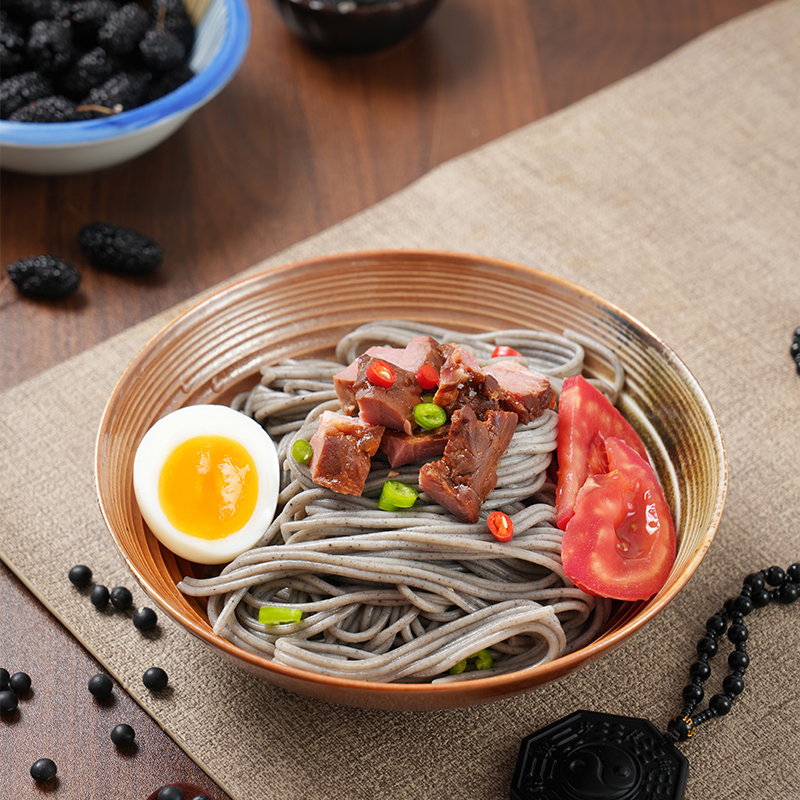
After opening, semi-dried noodles usually stay at their best for only a limited time, and the exact window depends less on the package label than on how much moisture, air, heat, and handling they are exposed to. For most household situations, the practical question is not “Can I still eat them?” but “Will they still cook well, taste normal, and stay safe enough to serve?”
That is why this topic matters. Semi-dried noodles sit between fresh noodles and fully dried noodles: they are made to keep a softer texture and shorter cooking time, but that also means they are more sensitive once the package is opened. If you store them well, they can remain usable for several days and sometimes longer. If you leave them exposed to air or moisture, quality can fall quickly even before obvious spoilage appears.
What “fresh after opening” really means
People often use “fresh” to mean different things. In practice, three questions matter more than a simple yes-or-no answer:
- Does the noodle still smell normal?
- Has the texture changed enough to affect cooking?
- Has it been stored in a way that limits mold, drying, or contamination?
For semi-dried noodles, freshness is usually about maintaining texture and flavor first, then safety. A noodle can look acceptable but still cook unevenly, break easily, or smell stale. That is common with products that have already been exposed to air.
General rule: once opened, use semi-dried noodles as soon as possible. If they are kept sealed again, refrigerated if needed, and protected from moisture, they are typically best used within a few days. For longer storage, follow the package guidance on the specific product, because formulations and preservation methods vary.
What shortens shelf life after opening
The biggest risks are simple and predictable. HAir pulls out aroma and speeds staling. umidity encourages surface softening and mold. Warm storage accelerates quality loss. Dirty hands or utensils can introduce contamination even when the noodles still look fine.
If the packaging contains multiple portions, each time you open it you increase the chance that the remaining noodles absorb moisture from the room. That is one reason why some households find that “the second half” never performs quite as well as the first.
There is also a difference between quality loss and spoilage. Quality loss shows up first: noodles stick together, break during cooking, or lose their clean wheat aroma. Spoilage is more serious: visible mold, sour or musty odor, unusual discoloration, or slimy surfaces. Once those signs appear, the noodles should not be used.
How to store opened semi-dried noodles
If you want the noodles to hold up after opening, the goal is to keep them dry, cool, and protected from air. A few practical habits make a real difference:
- Reseal the pack tightly after each use.
- Move leftovers into an airtight container or a sealed bag if the original package cannot close well.
- Keep them away from the stove, sink, and other humid areas.
- Use dry utensils and dry hands when taking out portions.
- Label the opening date if the package is not used quickly.
For households in warm or humid climates, storage discipline matters even more. In those conditions, noodles can deteriorate faster than many consumers expect, especially if the package is opened repeatedly. Refrigeration may help in some cases, but it is not a universal fix. If the product can absorb condensation after being taken in and out of the fridge, that can create a new problem. The safest approach is to follow the manufacturer’s storage instructions and avoid unnecessary temperature swings.
How to tell whether they are still good
The simplest check is a three-step inspection: look, smell, and cook a small portion.
If the noodles pass appearance and smell but still cook poorly, the issue is usually aging or moisture exposure rather than immediate safety. That is still enough reason to replace them if the meal depends on consistent texture.
How long is too long
There is no single universal number for every semi-dried noodle product. Some are formulated for better moisture resistance, some are packed differently, and some include processing steps that change how they age after opening. So any rigid rule like “always safe for X days” is too confident unless it comes from the product’s own instructions.
A more useful way to think about it is this: if opened noodles have been stored properly and still smell normal, look dry, and cook normally, they may still be usable after several days. If storage has been loose, humid, or inconsistent, the usable window can shrink to much less. In other words, the calendar matters less than the conditions.
For consumers who buy semi-dried noodles in bulk or keep them in rotation, it helps to treat the opened pack like a short-cycle ingredient, not a pantry staple that can sit indefinitely. That mindset reduces waste and avoids the common mistake of assuming “dry enough” means “stable enough.”
When not to take chances
Some situations call for discarding the noodles rather than testing them further:
- There is visible mold or moisture damage.
- The smell has turned sour, musty, or rancid.
- The package was left open in a humid environment for a long time.
- The noodles were touched by wet utensils or exposed to spilled liquids.
- You are preparing food for young children, older adults, or anyone with higher food-safety sensitivity.
That last point is often overlooked. A package that seems “probably fine” may still be a poor choice if the meal needs a higher safety margin. In home cooking, risk tolerance varies by household, and that should guide the decision.
What buyers should pay attention to on the label
Before opening, the label gives you clues about how the noodles will behave afterward. Look for storage instructions, shelf-life guidance, and whether the product is meant to be cooked quickly or handled more like a semi-fresh staple. Some products may also note whether they use moisture-locking or preservation technology. That does not mean the opened pack will last much longer in every household, but it can signal that the product was designed with freshness retention in mind.
For consumers comparing brands, the most useful question is not simply whether the noodles are “semi-dried.” It is whether the pack format, storage instructions, and intended usage pattern fit your actual eating habits. A large family that uses noodles every day has a very different freshness profile from a single household that opens one pack and returns to it a week later.
That is also where product quality differences become visible. Better sealing, more stable moisture control, and clearer storage guidance usually translate into a more predictable experience after opening. Those are the details that matter in real kitchens, even if they are easy to ignore at purchase time.
Bottom line for everyday use
Semi-dried noodles do not stay “fresh” after opening for an unlimited time. They are best treated as a short-use product: reseal immediately, keep them dry and cool, and use them promptly. If the noodles smell normal, look unchanged, and cook properly, they are likely still serviceable. If there is any sign of moisture, odor, mold, or poor texture, discard them.
The practical rule is simple: after opening, storage quality determines shelf life more than the package type alone. For consumers, that means fewer assumptions and more attention to what the noodles are telling you before they go into the pot.