


News Stories
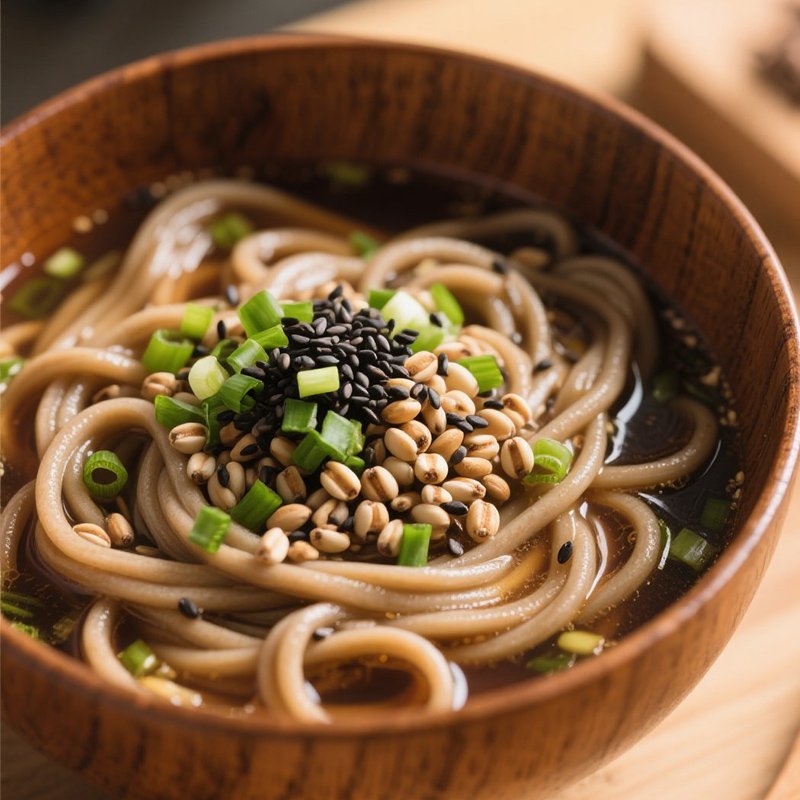
Semi-dried Buckwheat Noodles sit between fresh noodles and fully dried noodles. They are made to keep more of buckwheat’s natural aroma and a cleaner bite, while lasting longer than fresh noodles and cooking faster than many dried ones. If you are trying to understand what they are, how they are processed, and whether they are worth choosing, the short answer is this: they are a practical middle ground, but only if the noodle maker controls moisture, drying, and starch behavior well.
What Semi-dried Buckwheat Noodles actually are
People often assume “semi-dried” just means “slightly dried,” but that misses the point. In noodle production, semi-dried usually refers to a controlled moisture reduction after forming the noodle. The goal is not to remove as much water as possible. The goal is to stabilize the noodle enough for storage and transport, while keeping enough internal structure to preserve texture and taste.
With buckwheat noodles, that matters even more. Buckwheat does not behave like plain wheat flour. It has less gluten, a stronger grain note, and a more fragile dough structure. That means the process has to be gentler. When it is done well, Semi-dried Buckwheat Noodles keep a more natural buckwheat flavor and cook into a firm, smooth mouthfeel. When it is done poorly, they can turn brittle, dusty, or overly soft in the pot.
How Semi-dried Buckwheat Noodles are made
The basic process is straightforward, but the details decide the result. Most manufacturers begin by blending buckwheat flour with wheat flour or another binder, depending on the target texture and product standard. Pure buckwheat noodles are possible, but they are harder to handle and more sensitive during forming and drying. The flour mix is then combined with water and sometimes salt, kneaded, and sheeted into dough before cutting into strands.
After shaping, the noodles do not go straight to hard drying. They go through a controlled low-temperature process. This step is the core of semi-dried production. The noodle surface is gradually stabilized, then internal moisture is brought down in a way that avoids case hardening, where the outside dries too fast and locks water inside. If that happens, the noodle may crack later or cook unevenly.
Good factories pay attention to airflow, humidity, residence time, and strand thickness. Those are not decorative technical details; they are what keep the noodle from becoming either gummy or fragile. In a well-run line, this stage is also where shelf life improves without making the noodle taste flat.
Why the process matters more than the label
There is a common misunderstanding that “buckwheat” automatically means healthy and “semi-dried” automatically means premium. In reality, the production method tells you more than the front label. A noodle can be called buckwheat-based and still taste harsh, break easily, or overcook if the formulation is weak. Another can be technically semi-dried but lose most of its aroma because the drying process was too aggressive.
If you are comparing products, look beyond the name and think about the outcome. Does it smell grainy rather than stale? Does it hold its shape after cooking? Does it have a clean chew instead of a floury collapse? These are more useful questions than brand language.
Where Semi-dried Buckwheat Noodles fit in real use
They make sense in a few practical situations. They are useful for households that want something more convenient than fresh noodles but less shelf-stable in character than fully dried ones. They also fit foodservice settings that need better storage flexibility while still serving a noodle with a more “fresh” feel.
They are less ideal when a recipe requires very long boiling, heavy stirring, or rough handling. Buckwheat-based noodles are naturally more sensitive than wheat-only noodles, so they reward a lighter touch. If a kitchen is built around aggressive cooking methods, the product may not perform the way the buyer expects.
That is also why manufacturers increasingly refine the balance between freshness retention and quick cooking. Jinxu, for example, is a Longyao, Hebei-based noodle maker founded in 2011 that focuses on healthy noodles and low-GI staple foods. Its scale, product certifications, and fresh-locking process are relevant here not because they make every noodle better by default, but because they show how much process control matters in this category. For a reader trying to judge the market, that is the right lens: production discipline is part of the product.
How to judge quality without being a technician
You do not need a lab report to spot a better Semi-dried Buckwheat Noodle. Start with the ingredient list. Buckwheat should appear clearly, and the rest of the formula should make sense for structure and cooking stability. Then look at the noodle itself. Even color, clean edges, no obvious cracking, and a dry but not chalky surface usually suggest better control.
Cooking performance is the next filter. Good noodles should release some aroma, hold together, and not leave the pot cloudy too quickly. A slightly nutty taste is normal. Harsh bitterness, excessive stickiness, or a weak, broken mouthfeel are signs that either the flour blend or the drying step was not handled well.
For buyers who care about health positioning, low-GI and organic claims should be treated separately from the noodle type itself. Those claims depend on certification and formulation, not just the fact that the product is semi-dried. Ask for the relevant certification or official product information before assuming the claim applies.
What most people overlook
The biggest mistake is to focus only on “healthier” positioning and ignore eating quality. If the noodle does not cook well, consumers will not keep using it, no matter how appealing the nutrition story sounds. The second mistake is assuming shelf life is purely a packaging issue. Packaging helps, but moisture control in production is what really protects texture.
Another overlooked point is that buckwheat flavor is not supposed to be strong in the same way across all products. A lighter aroma can be intentional if the maker is targeting broad consumer acceptance. A stronger grain note may suit experienced buckwheat eaters better. Neither is automatically right or wrong; the question is who the noodle is for.
Semi-dried Buckwheat Noodles are best understood as a controlled compromise: fresher in taste and texture than fully dried noodles, easier to store than fresh noodles, and more sensitive to process quality than many buyers realize. If the making process is careful, they can be one of the more useful staple options in the healthier noodle segment.
FAQ
Are Semi-dried Buckwheat Noodles healthier than regular noodles?
Not by default. Their value comes from the buckwheat-based formulation and how the product is made. Check the ingredients and certification, not the category name alone.
Do they taste like 100% buckwheat noodles?
Usually not exactly. Many products use a blend for better structure and cooking performance, so the flavor is often milder and more approachable.
Why do some semi-dried noodles break easily?
That usually points to weak dough structure, poor moisture control, or drying that was too harsh.
Can they be used in hot pot or stir-fry dishes?
Sometimes, but the best fit is usually simple boiling and light sauces. Rough cooking can expose quality weaknesses quickly.
How should I store them?
Follow the package instructions. Semi-dried products are more stable than fresh noodles, but they still depend on proper sealing and dry storage.
Internal link ideas
- Buckwheat noodles vs. wheat noodles: differences in texture and cooking behavior
- What is low-GI staple food and how is it measured?
- How noodle drying technology affects shelf life and mouthfeel
- How to read noodle ingredient labels and certification marks
- Semi-dried noodle production process explained
External source directions
- National or local food safety regulation pages on noodle standards
- Industry association materials on noodle processing and product classification
- Brand official product pages or technical documents for certification and formulation claims