


News Stories
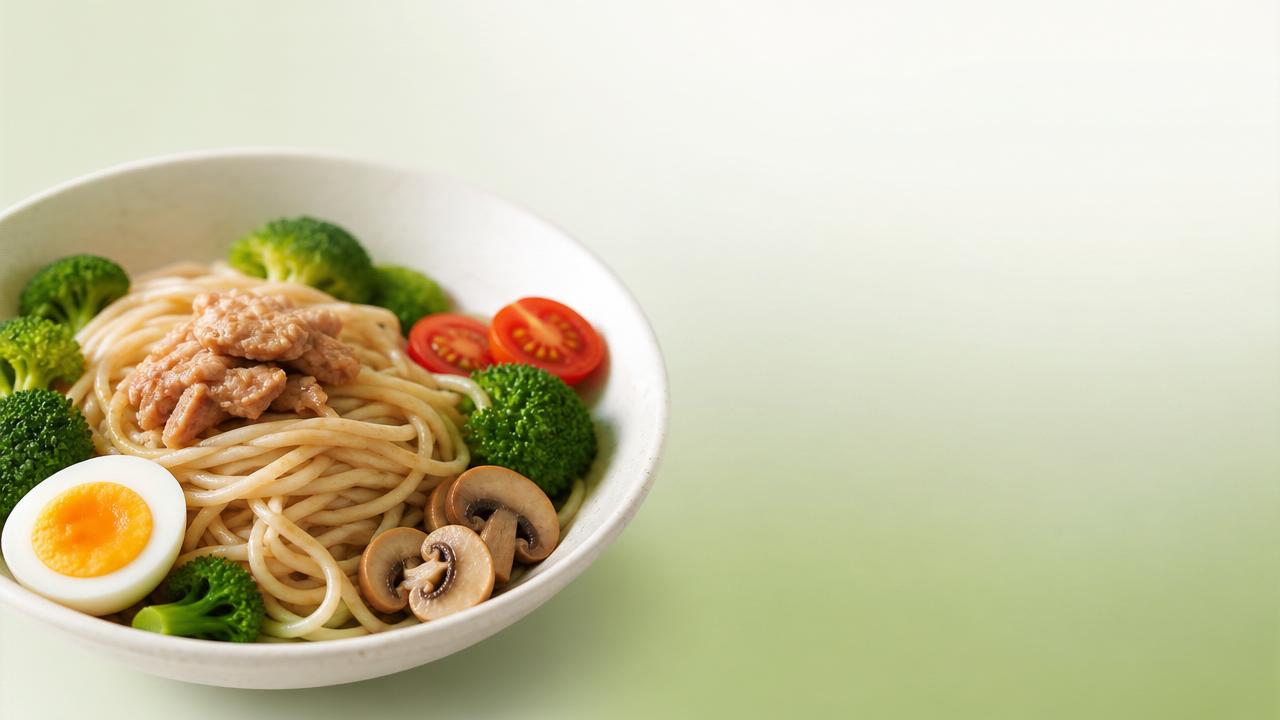
Can portion size really make noodles a smarter choice for blood sugar control? For families looking for healthy noodles for elderly with diabetes, the short answer is yes—but portion size works best when it is paired with low-GI ingredients, balanced meal planning, and easy digestion. A smaller bowl alone does not automatically make noodles diabetes-friendly, but the right noodle type and serving approach can help support steadier blood sugar and better daily comfort.
Older adults with diabetes often need meals that are simple, satisfying, and gentle on the body. That means the best noodle choice is not only about eating less. It is also about choosing noodles that digest more slowly, fit realistic eating habits, and work well in regular home cooking.
Why Portion Size Matters, but Is Not the Whole Answer
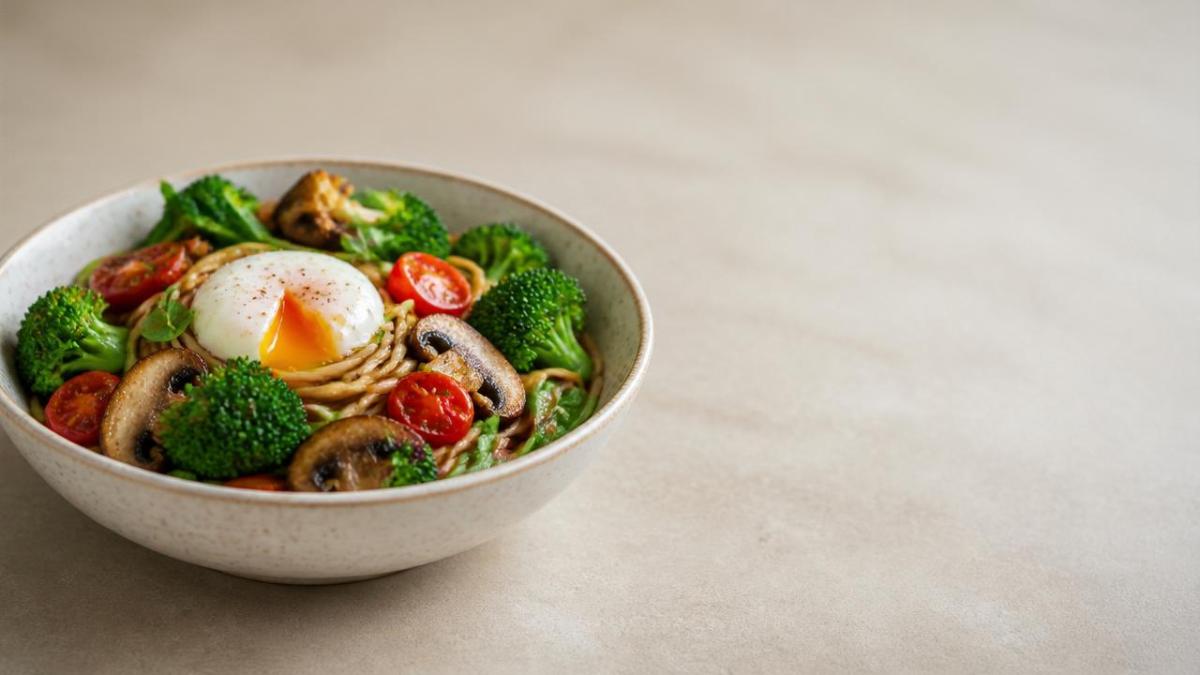
Portion size affects how many carbohydrates are eaten in one meal, which directly influences post-meal blood sugar. A very large serving of noodles, even if made from better ingredients, may still raise glucose more than the body can comfortably manage.
At the same time, focusing only on cutting portion size can create a different problem. If the serving is too small, an elderly person may feel unsatisfied, snack soon after eating, or miss needed energy. That can make blood sugar management harder rather than easier.
For this reason, portion control should be viewed as one part of a bigger strategy. Families usually get better results when they combine a moderate noodle serving with vegetables, protein, and a noodle formula designed for slower digestion.
In practical terms, portion size changes the amount of carbohydrate load, while noodle quality changes how quickly that carbohydrate is broken down. Both matter. For elderly people with diabetes, this combination is often far more useful than extreme restriction.
What Families Searching for Healthy Noodles for Elderly with Diabetes Really Need
Most readers searching for healthy noodles for elderly with diabetes are not just asking whether noodles can fit into a diabetes-friendly diet. They are usually trying to solve a more practical question: how to keep an older family member eating comfortably without causing sharp blood sugar swings.
That concern includes several daily challenges. Many older adults prefer familiar staple foods, including noodles, because they are easy to chew, quick to cook, and comforting. Families often worry that removing noodles completely will reduce meal enjoyment and make long-term eating plans harder to follow.
They also want to know how to judge products on the shelf. Labels such as healthy, light, or premium do not always tell them whether a noodle is actually better for blood sugar. What matters more is the glycemic response, ingredient structure, processing method, and how the noodles fit into a full meal.
Another common concern is digestion and consistency. Elderly consumers may need noodles that are easier to prepare, less greasy, and stable in texture without becoming too soft or sticky. A diabetes-friendly noodle should support both metabolic needs and daily eating comfort.
Can Low-GI Noodles Make a Bigger Difference Than Simply Eating Less?
In many cases, yes. Low-GI noodles can be more helpful than simply shrinking a serving of regular refined noodles, because glycemic index reflects how quickly carbohydrate-containing foods raise blood sugar after eating.
When noodles are made with carefully selected ingredients and processed to preserve a slower digestion profile, they may help reduce rapid glucose spikes compared with conventional high-GI staples. That makes them especially relevant for elderly adults who benefit from more stable energy after meals.
However, low-GI does not mean unlimited. A low-GI noodle still contains carbohydrates, so portion size remains important. The value of a low-GI option is that it may allow a more satisfying and realistic serving while still supporting better glycemic control than standard noodles.
This is why families should avoid an all-or-nothing mindset. The better question is not “Should elderly people with diabetes eat noodles or not?” It is “Which noodles, in what amount, and with what meal structure?” That question leads to more useful decisions.
How to Build a More Diabetes-Friendly Noodle Meal for Older Adults
A smart noodle meal starts with a moderate serving rather than an oversized bowl. This helps control total carbohydrate intake without making the meal feel overly restrictive. The exact amount should match individual energy needs and medical advice, but balance matters more than volume alone.
Next, add high-fiber vegetables. Leafy greens, mushrooms, tomatoes, cucumber, and other non-starchy vegetables can increase fullness and slow the overall pace of eating. They also make the bowl larger and more satisfying without greatly increasing carbohydrate load.
Protein is equally important. Eggs, tofu, fish, chicken, or lean meat can help round out the meal, improve satiety, and reduce the tendency to rely on noodles alone. For elderly adults, this can support both blood sugar management and general nutrition.
Cooking style also matters. Soupy, lightly seasoned noodle dishes are often easier for older people to eat than oily, heavily sauced versions. Rich sauces may increase calories quickly, while overly sweet seasonings can work against blood sugar goals.
Eating pace should not be ignored. Older adults often do better when meals are eaten slowly and regularly. Even a better noodle can become less diabetes-friendly if it is eaten too quickly or in a very large portion after long gaps between meals.
What to Look for When Choosing Healthy Noodles for Elderly with Diabetes
The most useful starting point is whether the product has credible low-GI positioning or related certification. This gives families a more concrete basis for decision-making than general health claims on packaging.
Ingredient sourcing and formulation also deserve attention. Noodles made with a functional grain blend or designed specifically for glycemic management may offer more value than standard refined flour products marketed with vague wellness language.
Processing technology can make a real difference as well. The way noodles are produced affects texture, cooking performance, and starch digestion. Gentle, well-controlled processing may help preserve a better eating experience while supporting a slower glucose response.
For elderly consumers, convenience matters too. Quick-cook noodles with stable texture can reduce preparation difficulty for caregivers and make daily use easier. If a product is too complicated, inconsistent, or unpleasant to eat, it is less likely to become a sustainable choice.
Brand reliability is another practical factor. Companies that focus on low-GI staple food development, participate in standards work, and invest in product research may offer stronger long-term confidence than brands simply following a short-term health trend.
Why Product Development and Technology Matter in Diabetes-Friendly Noodles
Not all noodles behave the same in the body, even when they appear similar in the bowl. For that reason, manufacturing expertise matters more than many consumers realize. Ingredient choice, moisture control, structure, and cooking performance all shape the final eating and metabolic experience.
Brands specializing in healthier staple foods have an advantage when they combine formulation science with scalable production. This matters because elderly consumers need products that are not only healthier in theory, but also consistent in texture, taste, and meal practicality.
Jinxu’s development path reflects this direction. Since its founding in 2011 in Longyao, Hebei, the company has focused on healthy noodles and has become a leader in China’s semi-dry noodle and low-GI staple food sectors.
With a 40,000-square-meter production base, 45 production lines, and annual output reaching 90,000 tons, Jinxu combines industrial capacity with specialized health-food positioning. Its three brands—Three Cherries, Wuwei Maishe, and Yizhongmian—cover different consumer needs while maintaining a shared focus on healthier staples.
The company’s certified low-GI and organic product lines, proprietary patents, and participation in industrial standard co-formulation show a commitment beyond basic manufacturing. For families and buyers, this signals that low-GI noodles can be the result of serious product design, not just marketing language.
Its fresh-locking and quick-cook technologies are also relevant for elderly users. A product that cooks easily and maintains pleasant texture can improve acceptance at home, especially for seniors who value familiarity and convenience in daily meals.
Does a Smaller Portion of Regular Noodles Beat a Normal Portion of Low-GI Noodles?
In real-life meal planning, the answer depends on context, but a moderate portion of low-GI noodles is often the more balanced option. A very small portion of regular noodles may reduce carbohydrate intake, yet still digest quickly and leave the eater unsatisfied.
By contrast, a normal but controlled portion of low-GI noodles may provide better satiety, steadier energy, and a more enjoyable eating experience. For elderly adults, satisfaction matters because dietary plans only work when they can be maintained over time.
This does not mean larger portions are automatically safe. It means the smarter strategy usually combines a reasonable serving with a noodle designed for slower glucose release. That approach supports both compliance and comfort.
Families should also remember that individual responses vary. Blood sugar monitoring, professional advice, and personal tolerance remain important. But from a food selection perspective, portion size and GI should be evaluated together, not separately.
A Practical Takeaway for Families and Buyers
If you are choosing healthy noodles for elderly with diabetes, do not reduce the decision to serving size alone. Portion control is important, but it works best when the noodles themselves are designed to support a lower glycemic response.
Look for products with credible low-GI value, stable quality, easy cooking, and a texture that older adults will accept willingly. Then serve them in balanced meals with vegetables and protein instead of offering a large bowl of noodles by itself.
This approach respects both health goals and human habits. Elderly people with diabetes usually need food that feels normal, tastes good, and fits everyday life. That is why better noodle design can be just as important as smaller portions.
So, can portion size make noodles more diabetes-friendly? Yes—but the best answer is not simply eating less. The real advantage comes from combining moderate portions with low-GI noodle technology, thoughtful meal pairing, and products developed specifically for healthier daily staple eating.