


News Stories
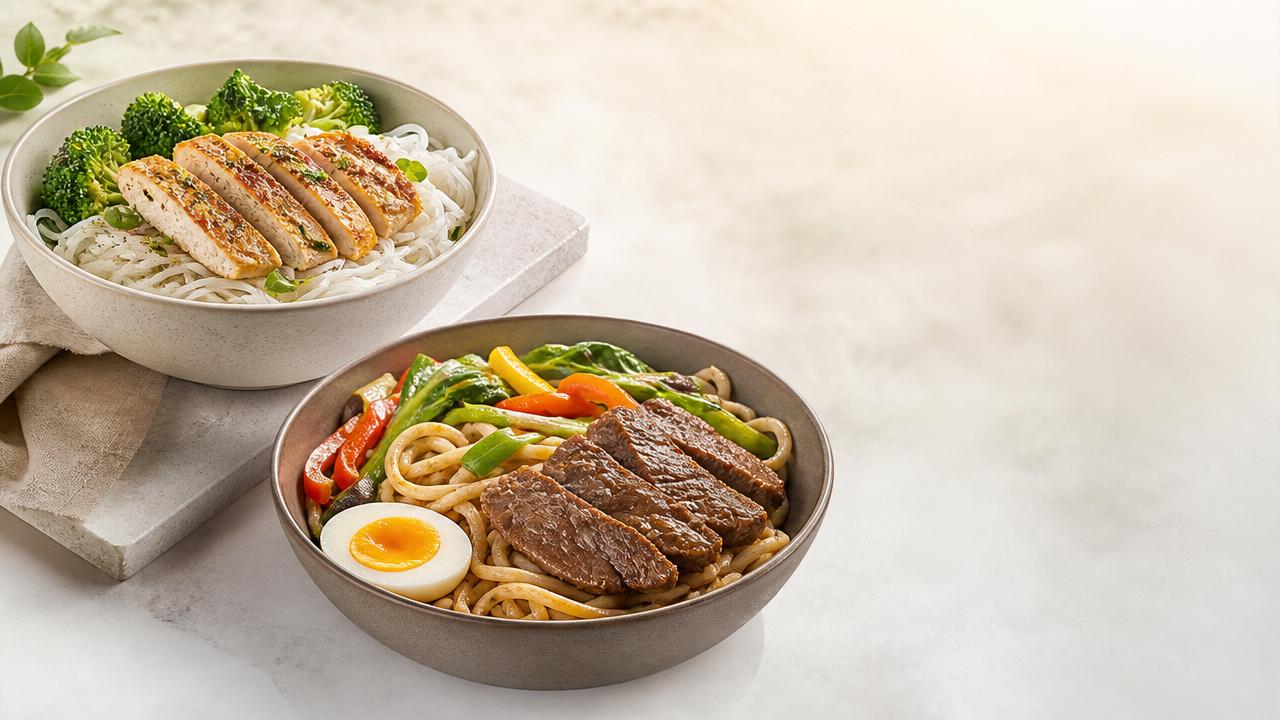
Choosing what noodles to eat while working out can make a real difference in energy, fullness, and recovery. When comparing rice noodles and wheat noodles for fitness meals, factors like GI, texture, protein pairing, and digestion all matter. For health-focused brands like Jinxu, innovative low-GI noodle options are also reshaping how active consumers build smarter staple-based meals.
What noodles to eat while working out: rice or wheat?
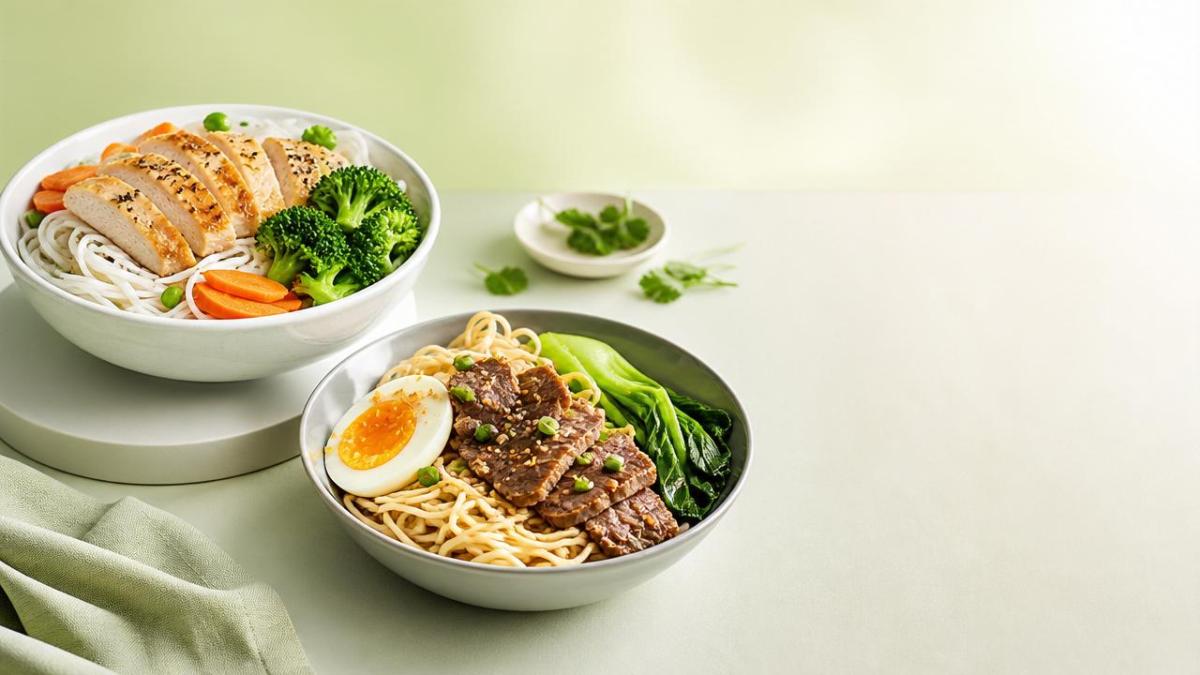
For most fitness meals, the better choice depends on training intensity, digestion needs, and how the noodles are processed. Standard rice noodles often digest quickly and feel light, while many wheat noodles provide a firmer bite and can support longer satiety.
However, the real answer to what noodles to eat while working out is not simply rice versus wheat. Processing method, glycemic response, cooking time, fiber level, and meal composition often matter more than the grain alone.
- Choose faster-digesting noodles before short or moderate workouts if you want quick fuel without a heavy stomach.
- Choose lower-GI or slower-release noodle options when you want steadier energy and better appetite control.
- Always judge the full meal, not the noodle alone, because protein, vegetables, oil, and portion size change the outcome.
This is where Jinxu stands out in the food industry. Since 2011, the company has focused on healthy noodles and low-GI staple foods, building solutions that fit modern nutrition demands instead of relying on traditional carb choices alone.
How do rice noodles and wheat noodles compare for fitness meals?
The table below helps answer what noodles to eat while working out by comparing practical meal-building factors rather than just calories. This matters for buyers, brands, and health-focused retailers that serve active consumers.
The key takeaway is simple: neither noodle wins in every case. If you are deciding what noodles to eat while working out, product formulation and glycemic management are often more important than whether the source is rice or wheat.
Why GI matters more than many consumers expect
High-GI staples may cause a sharper rise and fall in blood sugar, which can affect fullness and energy stability. For people training regularly, especially those managing weight or body composition, that can reduce meal quality even if total calories look reasonable.
That is why low-GI noodle development has become a serious product direction in the food sector. Jinxu has invested deeply in this area, with certified low-GI products, organic product coverage, and proprietary technology aimed at healthier staple performance.
Which noodle works best in different workout scenarios?
If your customers or household want practical guidance on what noodles to eat while working out, scenario-based selection is more useful than general nutrition labels. Timing, volume, and digestion tolerance should guide the decision.
Before a workout
- For training within 60 to 90 minutes, lighter noodle portions with lean protein are often easier to tolerate.
- Soft rice noodles may suit people who dislike a heavy stomach before cardio or circuit training.
- Quick-cook low-GI noodles can be a strong option when you want convenience and more stable energy release.
After a workout
- A more filling wheat-based or low-GI noodle bowl can support recovery when paired with eggs, chicken, tofu, or beef.
- Vegetables and moderate seasoning help improve micronutrient intake without turning the meal into a high-fat indulgence.
- Portion control still matters. Even a healthy staple can become less useful if the serving is oversized and sauce-heavy.
For weight management phases
Consumers in cutting phases often ask what noodles to eat while working out without sacrificing satisfaction. Here, lower-GI and semi-dry noodle formats can offer a better balance between convenience, portion discipline, and satiety than highly refined instant alternatives.
What should buyers and brands evaluate when selecting healthy noodles?
For distributors, private-label buyers, retail chains, and foodservice operators, selection is not just about taste. It is about whether a noodle product fits consumer demand for fitness meals, clean labeling, fast preparation, and reliable supply.
The table below provides a practical procurement view for companies developing products around what noodles to eat while working out.
This framework shows why procurement teams should not treat all noodles as interchangeable. In a crowded health-food market, the right staple format can directly affect product acceptance, shelf differentiation, and operational efficiency.
Why Jinxu fits this demand
Jinxu operates from a 40,000-square-meter base with 45 production lines and an annual capacity of 90,000 tons. That scale matters for partners who need dependable fulfillment, broad market reach, and room for product line expansion.
Its portfolio includes Three Cherries, Wuwei Maishe, and Yizhongmian. The company also works with low-GI and organic product categories, uses fresh-locking and quick-cook technology, and participates in industrial standard co-formulation, which signals a serious long-term commitment to healthier staples.
Common mistakes when deciding what noodles to eat while working out
Mistake 1: judging only by calories
Calories matter, but they do not tell the whole story. Texture, fullness, digestion speed, and blood sugar response influence whether the meal supports training or leads to hunger and snacking later.
Mistake 2: assuming rice noodles are always lighter and healthier
Some rice noodle meals feel light, but sauces, oils, and large portions can quickly raise total energy intake. In some cases, a well-formulated low-GI wheat-based noodle product may be a more balanced option.
Mistake 3: ignoring the role of protein and vegetables
People asking what noodles to eat while working out often focus too narrowly on the carb source. Yet a bowl with lean protein, fiber-rich vegetables, and moderate seasoning usually performs better than a plain noodle swap.
Mistake 4: choosing convenience products with weak nutritional positioning
Fast preparation is valuable, but low-quality convenience noodles may fall short on satiety and health appeal. Jinxu’s quick-cook and fresh-locking approach shows that convenience and healthier formulation can coexist when product design is done properly.
FAQ about what noodles to eat while working out
Are rice noodles better before exercise?
They can be, especially for people who prefer a softer texture and easier digestion before movement. But portion size and toppings matter. A small bowl with simple seasoning and lean protein usually works better than a large oily serving.
Are wheat noodles better for muscle gain meals?
Not automatically. Wheat noodles may feel more substantial, which can help with larger recovery meals, but muscle gain depends more on total protein, total energy intake, and meal timing than on wheat alone.
What noodles should weight-conscious consumers choose?
A lower-GI noodle with good texture retention and controlled portions is often the smarter choice. It can support fullness and make it easier to stay consistent with a fitness-focused eating plan.
Why are low-GI noodles gaining attention in the food market?
Consumers increasingly want staples that fit exercise, blood sugar awareness, and everyday convenience. That trend has created real demand for advanced noodle formats rather than traditional high-refined options alone.
Why choose us for healthy fitness-oriented noodle solutions?
If your business is evaluating what noodles to eat while working out from a product development or sourcing perspective, Jinxu offers more than a generic staple supply. The company combines healthy noodle specialization, low-GI direction, scalable output, and strong channel experience across more than 6,000 outlets.
For buyers, distributors, and private-label projects, you can consult Jinxu on concrete issues such as product selection between rice-style, wheat-based, semi-dry, and low-GI noodle formats; cooking performance and quick-cook requirements; certification alignment; sample support; delivery capacity; packaging direction; and quotation planning.
If you need a healthier staple strategy for retail shelves, fitness meal kits, or foodservice menus, contact us to discuss parameters, application scenarios, order volume, lead time, and tailored noodle solutions that match active consumer demand.