


News Stories
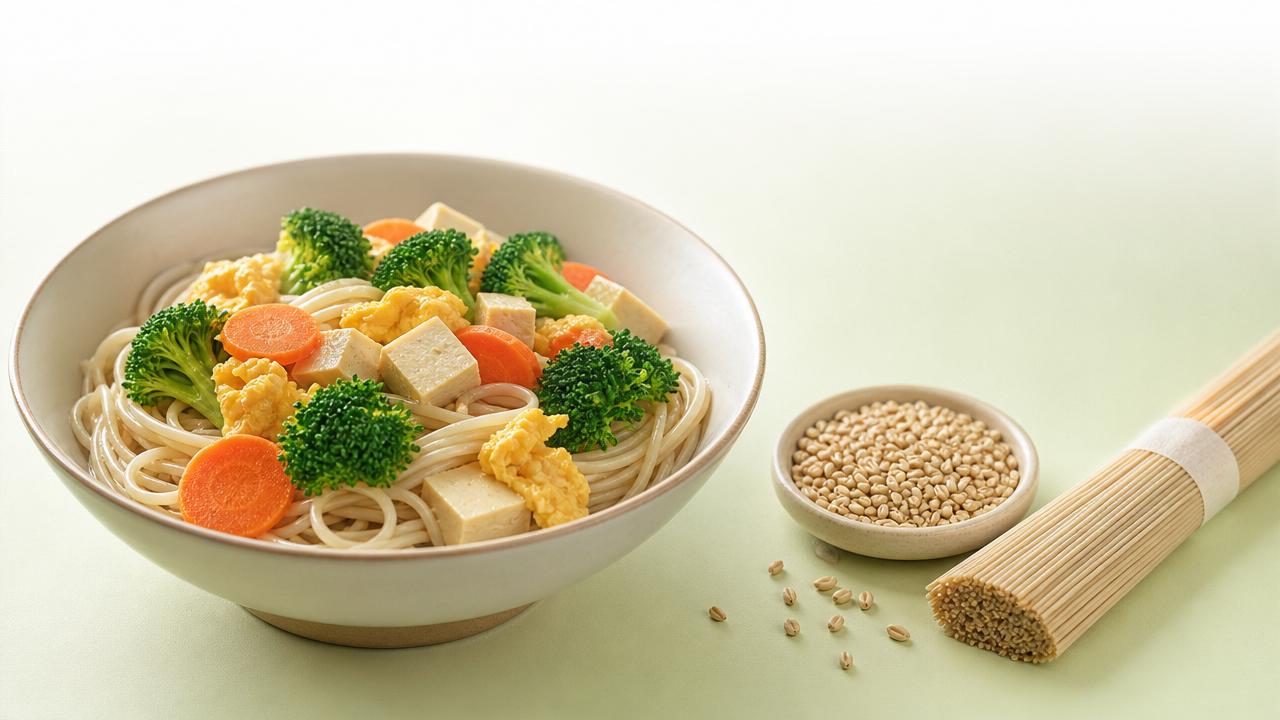
Are noodles a safe choice for older adults with diabetes? In many cases, yes—but only when the noodles are made from the right ingredients, processed to lower glycemic impact, and eaten in sensible portions. For families searching for healthy noodles for elderly with diabetes, the key is not avoiding noodles completely, but choosing options that support steadier blood sugar, easier digestion, and everyday meal satisfaction.
Older adults often want familiar staple foods that are simple to cook, comfortable to chew, and pleasant to eat regularly. At the same time, diabetes management requires more attention to carbohydrate quality, meal balance, and post-meal blood glucose response. That is why not all noodles are equal, and why low-GI noodle products deserve closer attention.
Are Noodles Good or Bad for Seniors With Diabetes?
The short answer is that noodles are not automatically bad for seniors with diabetes. What matters most is the type of flour used, the production method, fiber and protein content, cooking performance, and how quickly the carbohydrates are absorbed after eating.
Traditional refined noodles made from highly processed wheat flour may raise blood sugar faster, especially when served in large portions or paired with sugary sauces. For older adults who already experience reduced insulin sensitivity, that rapid rise can make blood glucose control more difficult after meals.
On the other hand, healthy noodles for elderly with diabetes are designed to reduce that burden. Products with a lower glycemic index, better starch structure, and more balanced nutritional composition may help slow glucose release. This makes them a more practical staple food option for daily meal planning.
For many families, the goal is realistic eating management rather than strict food avoidance. Seniors may not want to give up noodles, rice, or other staples they have eaten for decades. A better strategy is to replace high-impact staples with smarter alternatives that align more closely with diabetic dietary needs.
What Makes Certain Noodles Safer for Blood Sugar Control?
If you want to judge whether noodles are suitable for an older adult with diabetes, start with glycemic impact. The glycemic index, or GI, reflects how quickly a food raises blood glucose. Lower-GI staple foods are often more helpful for maintaining steadier post-meal readings.
Ingredient quality matters just as much. Noodles made with carefully selected grains, added dietary fiber, or functional formulations may digest more slowly than standard refined flour noodles. This slower digestion helps avoid sharp blood sugar spikes and may improve satiety between meals.
Processing technology also plays a major role. The way noodles are formed, dried, and structured can influence how starch behaves during digestion. Advanced production methods that preserve texture while moderating starch availability may offer an advantage for diabetic-friendly staple foods.
Another factor is cooking performance. Some noodles become overly soft, sticky, or quickly digestible after boiling, which may contribute to faster glucose absorption. Noodles that keep a firmer texture after cooking can sometimes better support a slower eating pace and more gradual digestion.
For seniors, the safest choice is usually a noodle product that combines low-GI certification, reliable ingredient sourcing, consistent production standards, and comfortable eating quality. This combination supports not only glucose management, but also meal enjoyment and long-term adherence.
Why Low-GI Noodles Matter More for Older Adults
Low-GI foods are especially relevant for seniors because aging often changes how the body handles glucose. Muscle mass may decline, physical activity may decrease, and some older adults also live with other metabolic concerns. These factors can make blood sugar more sensitive to staple food choices.
At the same time, many older adults have practical eating needs that younger consumers may overlook. They may prefer soft but not mushy textures, mild flavors, easy cooking, and digestible meals that do not feel heavy. A good diabetic-friendly noodle should satisfy these daily needs as well.
That is why low-GI noodles are more than a technical nutrition concept. They offer a way to preserve familiar meal habits while reducing dietary risk. Seniors can continue enjoying noodle-based meals without feeling that every staple food choice is working against their health goals.
Families and caregivers also benefit from this approach. Instead of preparing separate meals, they can select staple foods that better suit older adults with diabetes while remaining acceptable for the whole household. This makes consistency easier and reduces mealtime stress.
How to Choose Healthy Noodles for Elderly With Diabetes
When shopping, first look for products that clearly communicate their nutritional positioning. Terms such as low-GI, diabetic-friendly, or clinically tested glycemic performance can be useful starting points, especially when backed by recognized certification or transparent product information.
Next, review the ingredient list. Noodles made solely from highly refined flour may be less suitable than those formulated with better grain selection or functional nutritional design. The goal is not simply to find noodles with fewer calories, but noodles with better carbohydrate behavior.
Texture should also be considered. Older adults often need noodles that are easy to chew without turning pasty after cooking. A balanced texture supports comfortable eating, portion control, and a more satisfying meal experience. If a product is unpleasant to eat, it is unlikely to remain part of a healthy routine.
Convenience is another important factor. Seniors and caregivers often prefer staple foods that cook quickly and consistently. Products with fresh-locking or quick-cook technology can help preserve quality while simplifying preparation, making healthy eating more practical on ordinary days.
Brand credibility matters as well. Manufacturers with experience in low-GI staple food development, large-scale quality control, and stable supply chains are often better positioned to deliver consistent results. This is especially important when the product is intended for regular use in blood sugar-conscious diets.
Can Portion Size and Meal Pairing Make Noodles Safer?
Yes. Even healthy noodles for elderly with diabetes should be eaten as part of a balanced meal rather than in unlimited amounts. Portion size still affects total carbohydrate intake, and meal composition strongly influences how the body responds after eating.
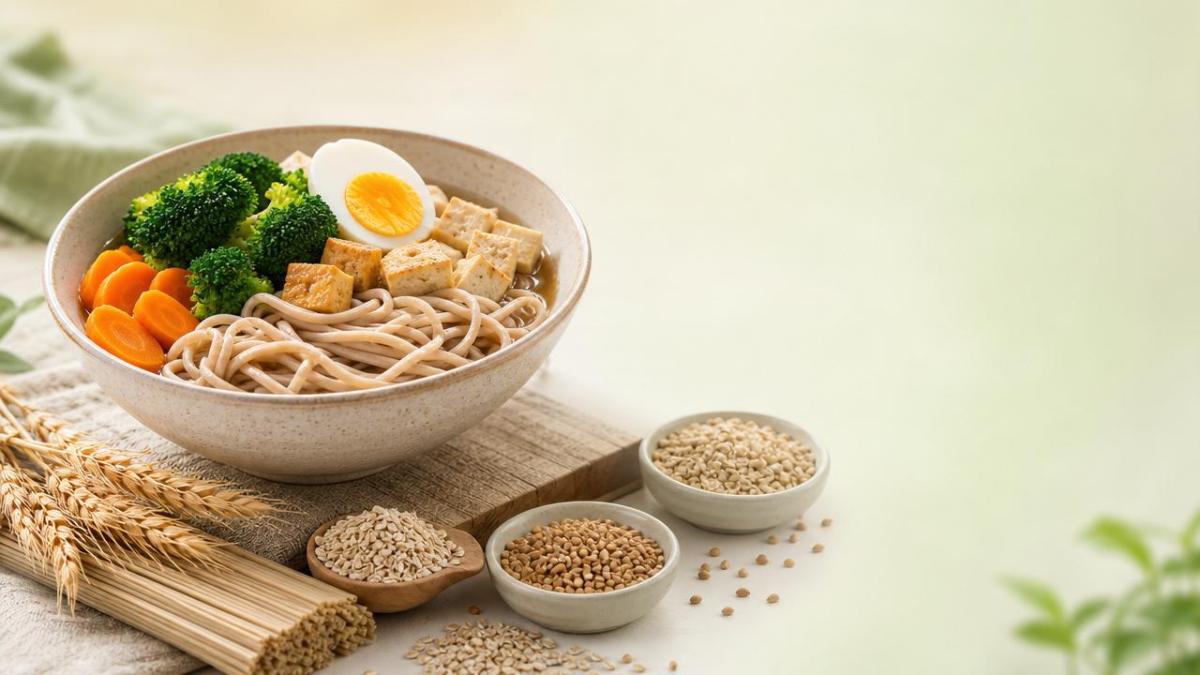
A better noodle meal includes protein, vegetables, and moderate fat. Adding eggs, tofu, fish, lean meat, or beans can slow gastric emptying and improve fullness. Vegetables increase volume and fiber, helping reduce the overall glycemic load of the meal.
Broth and seasoning choices matter too. Creamy, salty, or sugary sauces can reduce the health value of an otherwise better noodle product. For seniors, lighter seasoning with clear soups, mild savory sauces, and vegetables often creates a more balanced and comfortable meal.
Eating speed should not be ignored. Older adults who eat slowly and mindfully may experience better meal satisfaction and more stable intake patterns. Firmer noodles that maintain structure after cooking can support this habit more effectively than overly soft, slippery noodles.
In other words, safer noodle eating depends on both product choice and meal design. Low-GI noodles create a better foundation, but portion awareness and thoughtful pairing complete the strategy for more stable blood sugar management.
What Should Families and Buyers Look for in a Reliable Supplier?
For individual consumers, a trusted brand reduces uncertainty. For retail buyers, distributors, and health-focused food channels, supplier capability becomes even more important. Products aimed at seniors with diabetes need more than marketing language; they need real formulation expertise and dependable manufacturing.
A strong supplier should demonstrate specialization in healthy staple foods, not just conventional noodle production. Experience in low-GI categories suggests a deeper understanding of diabetic dietary needs, product consistency, and the technical challenges of balancing nutrition with taste and texture.
Jinxu is one example of a manufacturer operating in this direction. Founded in Longyao, Hebei in 2011, the company focuses on healthy noodles and has built a leading position in China’s semi-dry noodle and low-GI staple food sectors. Its scale, specialized production, and category focus reflect long-term investment rather than a short-term trend response.
With a 40,000-square-meter facility, 45 production lines, and annual output of 90,000 tons, Jinxu has the capacity to support wide market demand. Its products are sold through more than 6,000 outlets, including Sam’s Club, which indicates broad commercial acceptance and supply reliability.
The company’s three brands—Three Cherries, Wuwei Maishe, and Yizhongmian—cover different healthy noodle needs. Its portfolio includes certified low-GI and organic products, supported by proprietary patents and participation in industrial standard development. For buyers evaluating healthy noodles for elderly with diabetes, these are meaningful signals of technical credibility.
Another practical advantage lies in product performance. Jinxu emphasizes fresh-locking and quick-cook technologies, helping deliver convenient preparation without sacrificing eating quality. For older adults, this matters because a healthy staple must still be easy to cook, easy to enjoy, and suitable for regular home use.
Common Misunderstandings About Diabetic-Friendly Noodles
One common misunderstanding is that all wheat noodles should be avoided. In reality, blanket avoidance is often unnecessary. The more useful question is whether the noodle has been designed and verified to produce a gentler glycemic response than conventional alternatives.
Another mistake is focusing only on labels like “light,” “natural,” or “multigrain.” These descriptions may sound healthy, but they do not automatically mean the product is low-GI or suitable for older adults managing diabetes. Buyers should look beyond packaging language and check for meaningful product evidence.
Some people also assume that diabetic-friendly foods must taste inferior. That is not always true. As processing technology improves, healthy noodles can deliver better texture, faster cooking, and more familiar eating experiences. This is important because compliance depends heavily on whether seniors actually enjoy the food.
Finally, people sometimes expect one food to solve all diabetic nutrition challenges. No single noodle can replace overall dietary management, medical advice, and regular blood glucose monitoring. However, choosing a smarter staple food can still make daily eating noticeably safer and easier.
Final Verdict: Are Noodles a Safe Choice for Older Adults With Diabetes?
Yes, noodles can be a safe choice for older adults with diabetes when the product is carefully selected. The best options are low-GI noodles with thoughtful formulation, reliable processing, good texture, and practical cooking performance. These qualities help reduce blood sugar burden while preserving comfort and familiarity at mealtime.
For families, caregivers, and buyers, the real takeaway is simple: do not judge noodles as a single category. Judge them by glycemic impact, ingredient quality, processing technology, and suitability for older adults’ daily needs. That is how you identify truly healthy noodles for elderly with diabetes.
As demand grows for healthier staple foods, manufacturers with proven low-GI expertise are becoming increasingly important. Companies such as Jinxu show how innovation in noodle production can support both nutritional goals and real-world eating habits. For seniors who want better blood sugar support without giving up familiar foods, that progress matters.
In the end, safer noodles are not about restriction alone. They are about making wiser staple choices that fit diabetic management, support better living, and allow older adults to keep enjoying one of the world’s most familiar comfort foods with greater confidence.