


News Stories
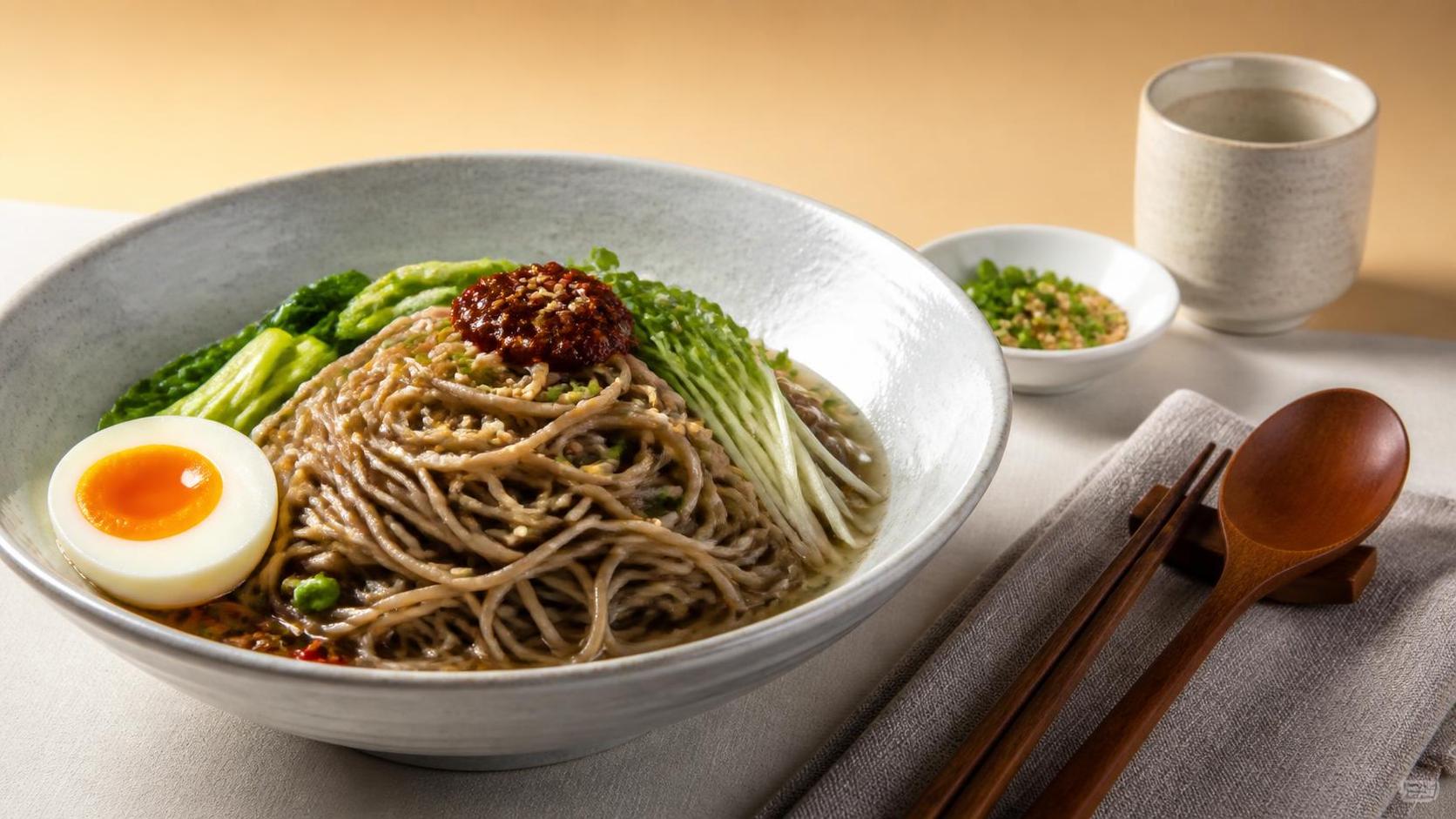
For most busy kitchens, the short answer is yes: semi-dried noodles can improve prep speed, but only when the product matches your menu, cooking setup, and portioning workflow. They are not automatically the best choice for every operation, yet they often reduce handling time, simplify storage, and deliver more consistent results than many fresh alternatives.
What operators really want to know
The real question is not whether semi-dried noodles are “better” in theory. It is whether they help your team serve faster, waste less, and keep texture stable during rush periods.
That is why operators usually care about three things first: cook time, labor efficiency, and plate consistency. If a noodle product improves all three, it has clear operational value.
Semi-dried noodles often sit in a practical middle ground between fresh noodles and fully dried noodles. They are easier to store than fresh products, but still cook faster and feel more familiar on the plate than many shelf-stable options.
Why semi-dried noodles can speed up kitchen prep
Semi-dried noodles usually offer shorter cooking times and simpler handling than fresh noodles. For kitchens that repeat the same dishes all day, that can remove small delays that add up quickly during service.
Portion control is another advantage. If the noodle format is standardized, staff can portion more consistently without measuring by eye, which reduces waste and helps maintain food cost control.
Storage and rotation can also be easier. Compared with highly perishable noodles, semi-dried products often give operators more flexibility in inventory planning and lower the pressure of same-day usage.
For central kitchens, chains, and institutional food service, that flexibility matters. It supports batch prep, reduces dependency on emergency deliveries, and makes the workflow more predictable.
Where the time savings actually come from
The biggest time savings usually come from fewer prep steps, not just faster boiling. If noodles are already stabilized and portion-ready, staff spend less time separating, weighing, and checking quality before cooking.
In a high-volume environment, even small reductions in handling matter. A product that loads quickly, cooks evenly, and releases cleanly can improve throughput without requiring more training.
Some semi-dried noodle lines also use quick-cook technology designed to preserve texture while shortening cook time. That is useful when the kitchen needs speed but cannot afford soft, broken, or uneven noodles.
If your menu depends on repeated noodle orders, faster prep can also protect service rhythm. It is easier for the line to stay stable when noodle cooking time is predictable across shifts.
What quality risks should you check before switching
Speed is useful only if the noodle holds up under real service conditions. Operators should test cooking tolerance, bite, broth absorption, and consistency across multiple batches before committing.
Texture is the first risk. A noodle that cooks fast but turns mushy, brittle, or sticky will create more work later because staff must remake bowls or adjust cooking routines.
Another concern is holding performance. In takeout, buffets, and delayed service, noodles may sit for a short period before eating. A product that degrades too quickly can weaken the customer experience.
You should also check whether the noodle supports your seasoning style and soup base. Some products perform well in stir-fry but do not keep the same structure in broth-heavy applications.
How to judge fit for your operation
Start with your service model. If you run fast casual, delivery-heavy, or chain operations, the operational value of semi-dried noodles is usually stronger than in a low-volume specialty kitchen.
Then compare your labor profile. If prep is handled by rotating staff or multiple shifts, standardized noodles reduce reliance on personal technique and improve repeatability.
Next, look at storage and purchasing. If you need longer shelf life than fresh noodles allow, but still want a product closer to fresh texture than fully dried noodles, semi-dried noodles are often a sensible middle option.
Finally, run a pilot with the actual dishes you sell most. A noodle product should be judged in your own workflow, not just by product claims or lab-style specifications.
Where semi-dried noodles deliver the strongest value
Semi-dried noodles are especially useful for operators who need both speed and consistency. That includes restaurants with lunch rushes, food service companies, catering teams, and multi-location brands.
They are also relevant for businesses trying to balance efficiency with healthier staple-food positioning. If your menu strategy includes low-GI or cleaner-label noodle offerings, the product format can support that positioning without forcing a major workflow change.
For example, Jinxu’s semi-dry noodle lines are built around quick-cook and freshness-locking technology, which is the kind of product design operators look for when prep speed and quality both matter.
In practice, the best products are those that fit the kitchen rather than forcing the kitchen to adapt. That is where semi-dried noodles can outperform both fragile fresh noodles and less flexible dried ones.
When they are not the best choice
Semi-dried noodles are not ideal if your concept depends on a very delicate handmade texture, extremely short ingredient lists, or a live-prep story centered on in-house noodle making.
They may also be unnecessary in low-volume kitchens where labor pressure is light and consistency is already easy to maintain. In that case, the operational gains may not justify the switch.
If your team lacks a standardized cooking process, a faster noodle will not solve execution problems by itself. The product can help, but only within a controlled workflow.
Conclusion
Semi-dried noodles can be better for faster kitchen prep when the goal is to save time, reduce handling, and improve consistency without losing too much texture or quality. They are most valuable in busy operations where speed, portion control, and repeatable results affect profitability.
The right decision is not based on the word “semi-dried” alone. It depends on cook performance, storage needs, menu fit, and how your team works during peak service. If those factors line up, the format can deliver real operational gains.
For operators evaluating semi-dried noodles, the best approach is simple: test them in the exact dishes, shifts, and volume patterns you serve every day, then measure whether they truly improve prep speed and service reliability.